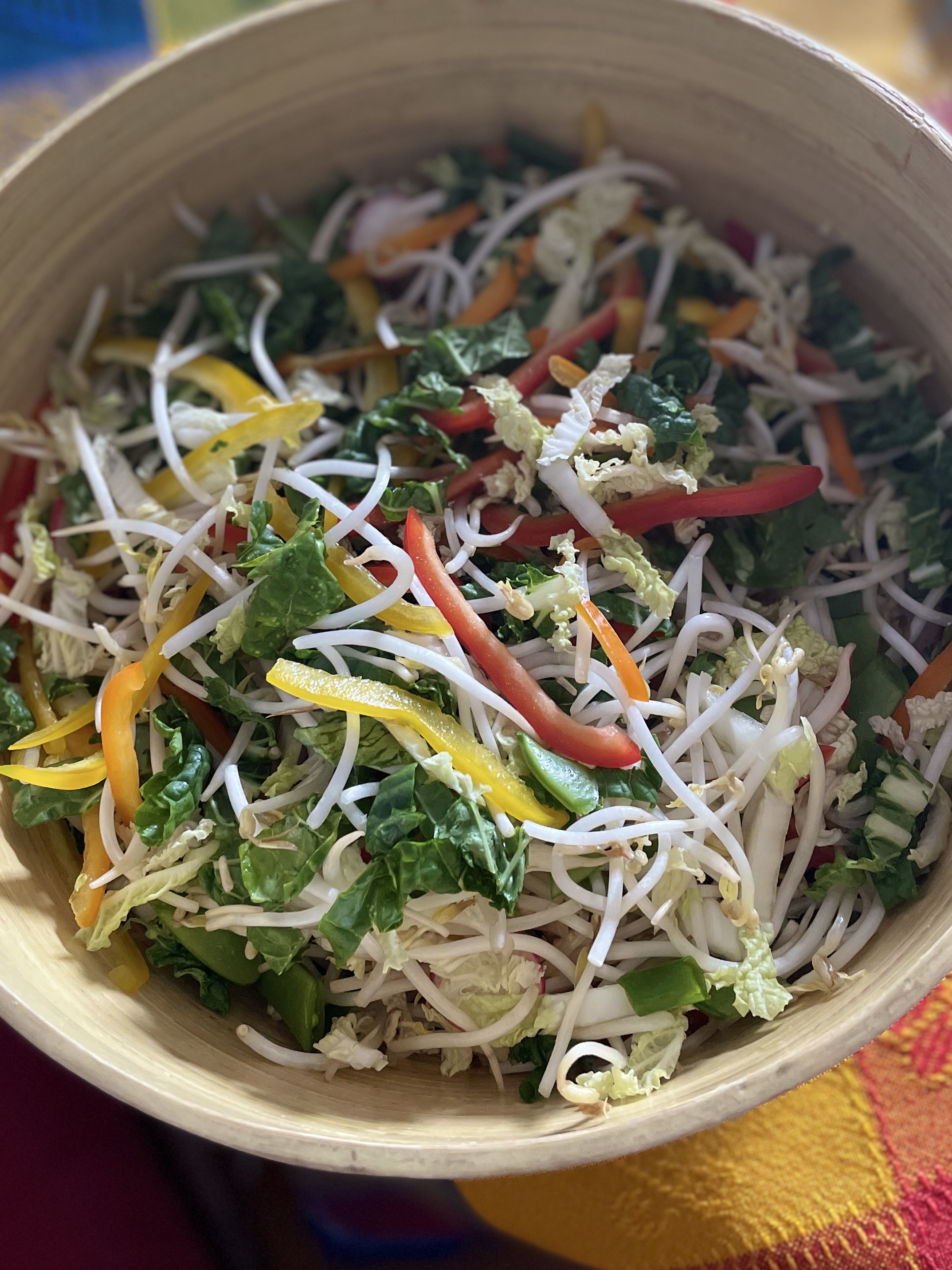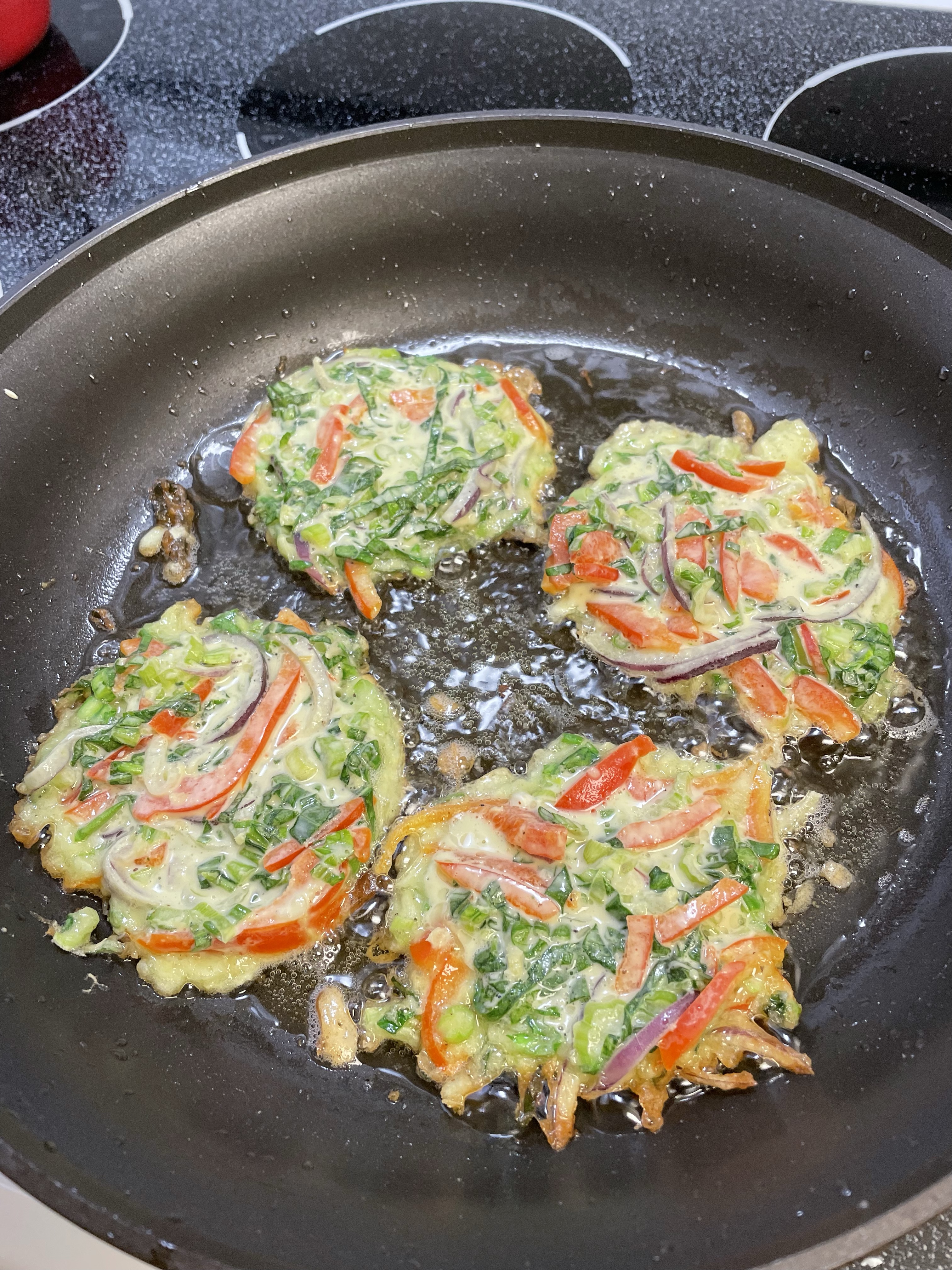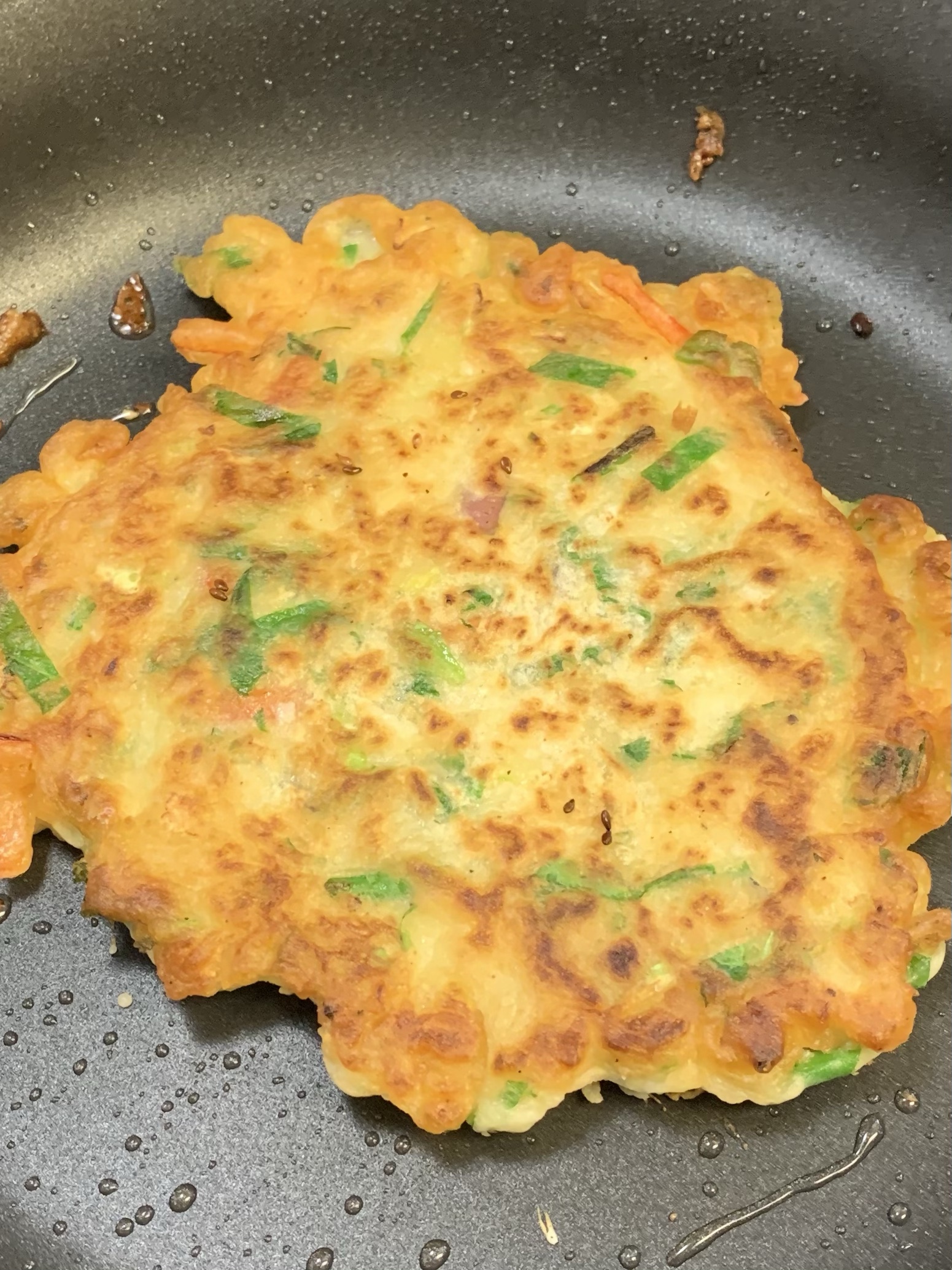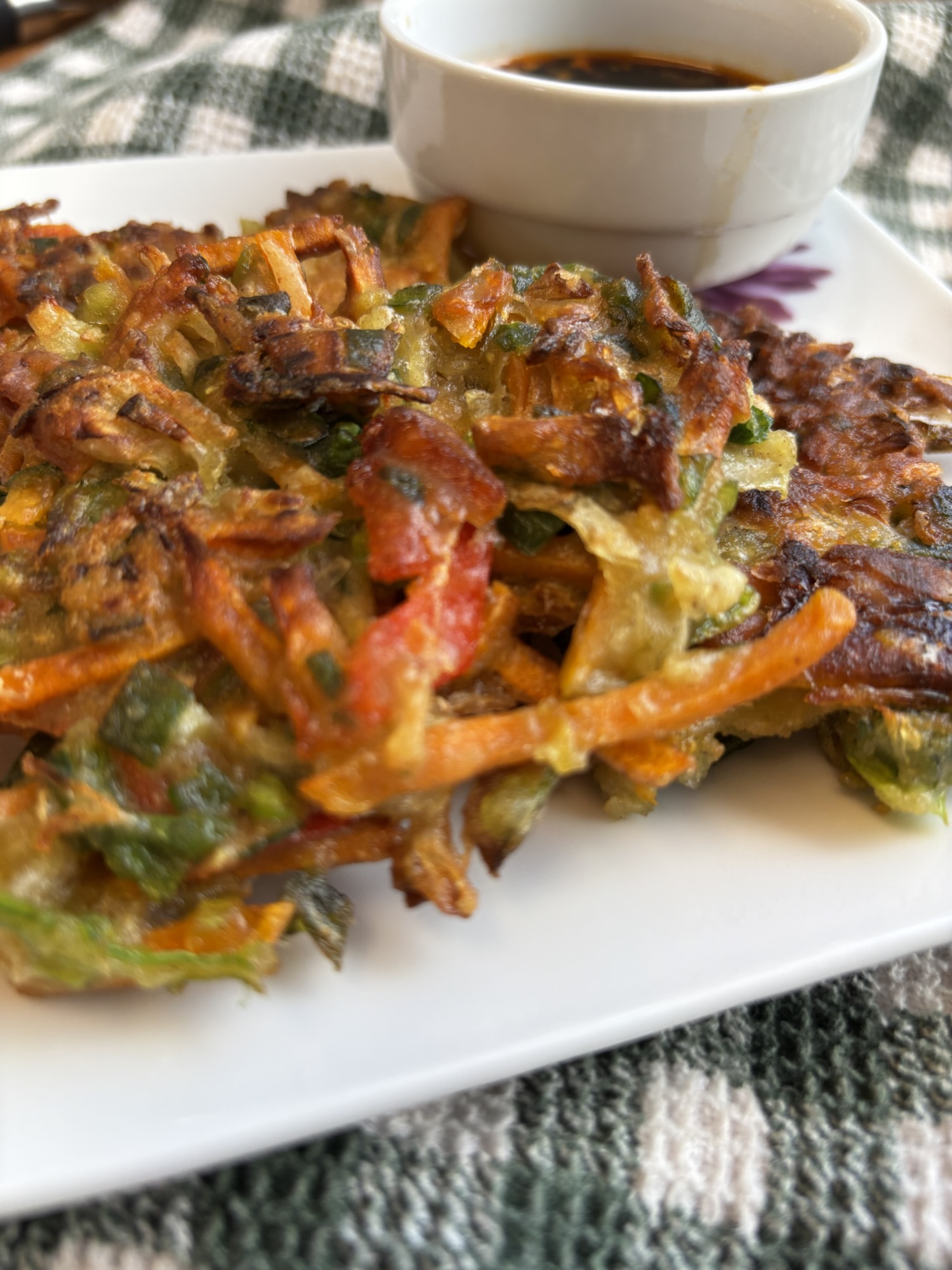
Mapo Eggplant

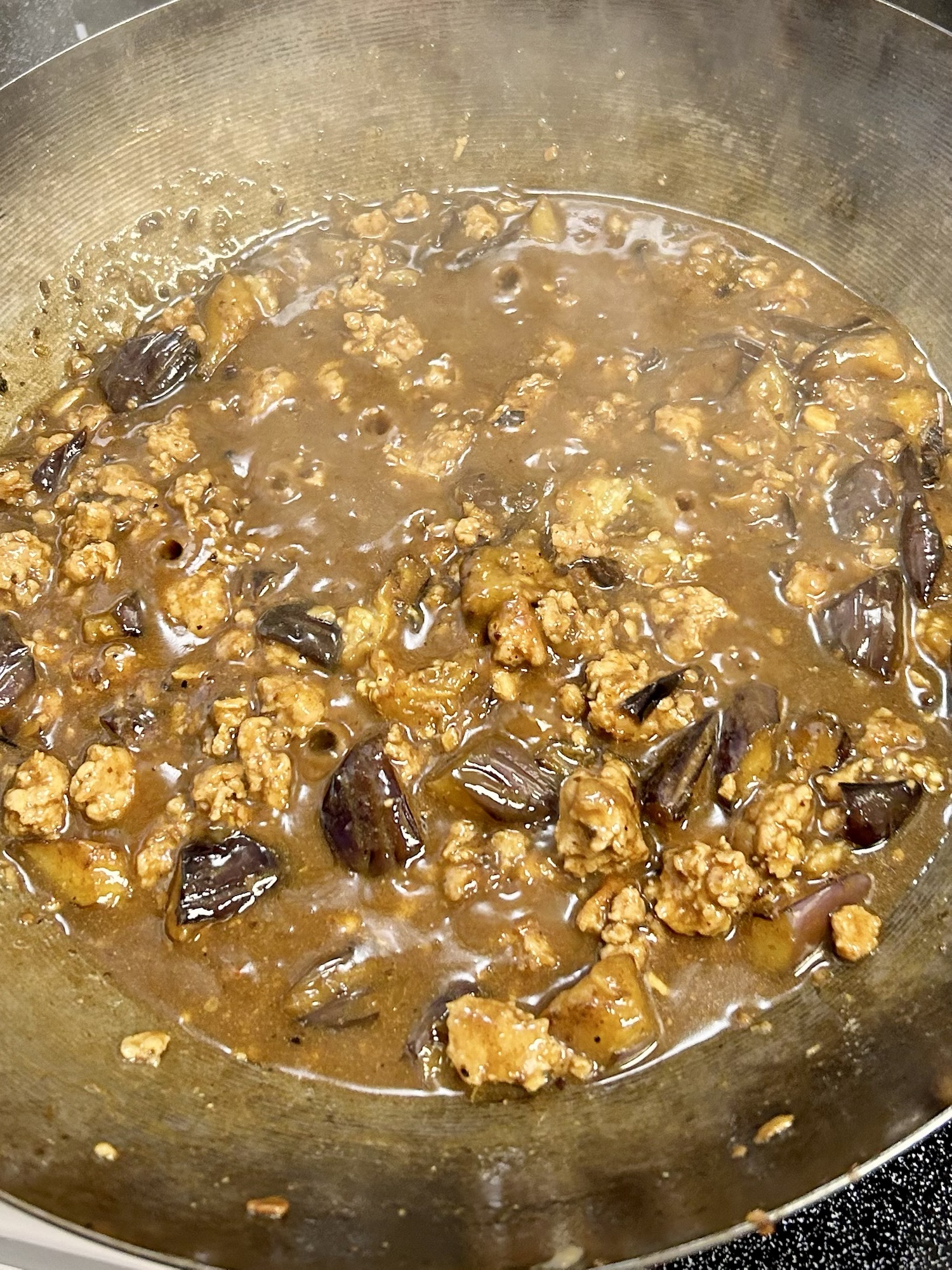
You can tell how much I’m enjoying eggplant right now.  A little chopping, and assembling ingredients gives you one of the best low effort/high flavour dinners, and likely to be in the rotation as long as the eggplant is growing out the back door!  If you love Mapo Tofu, you are going to really enjoy this – the eggplant gets so creamy and sucks up all the flavour in the sauce.

img_3243

I roasted some cauliflower tossed with white miso paste, chile sauce, and olive oil – great to have a bit of a crunchy contrast – next time I might also scatter a few roasted peanuts over as garnish.

PORK

  • 12 ounces ground pork
  • 3 tsp water
  • 2 tsp Shaoxing wine (or sake)
  • 1 1/2 tsp cornstarch
  • 1/4 tsp baking soda
  • 1/4 tsp white pepper

Mix all ingredients together and allow to marinate while you do the rest of the prep.

INGREDIENTS

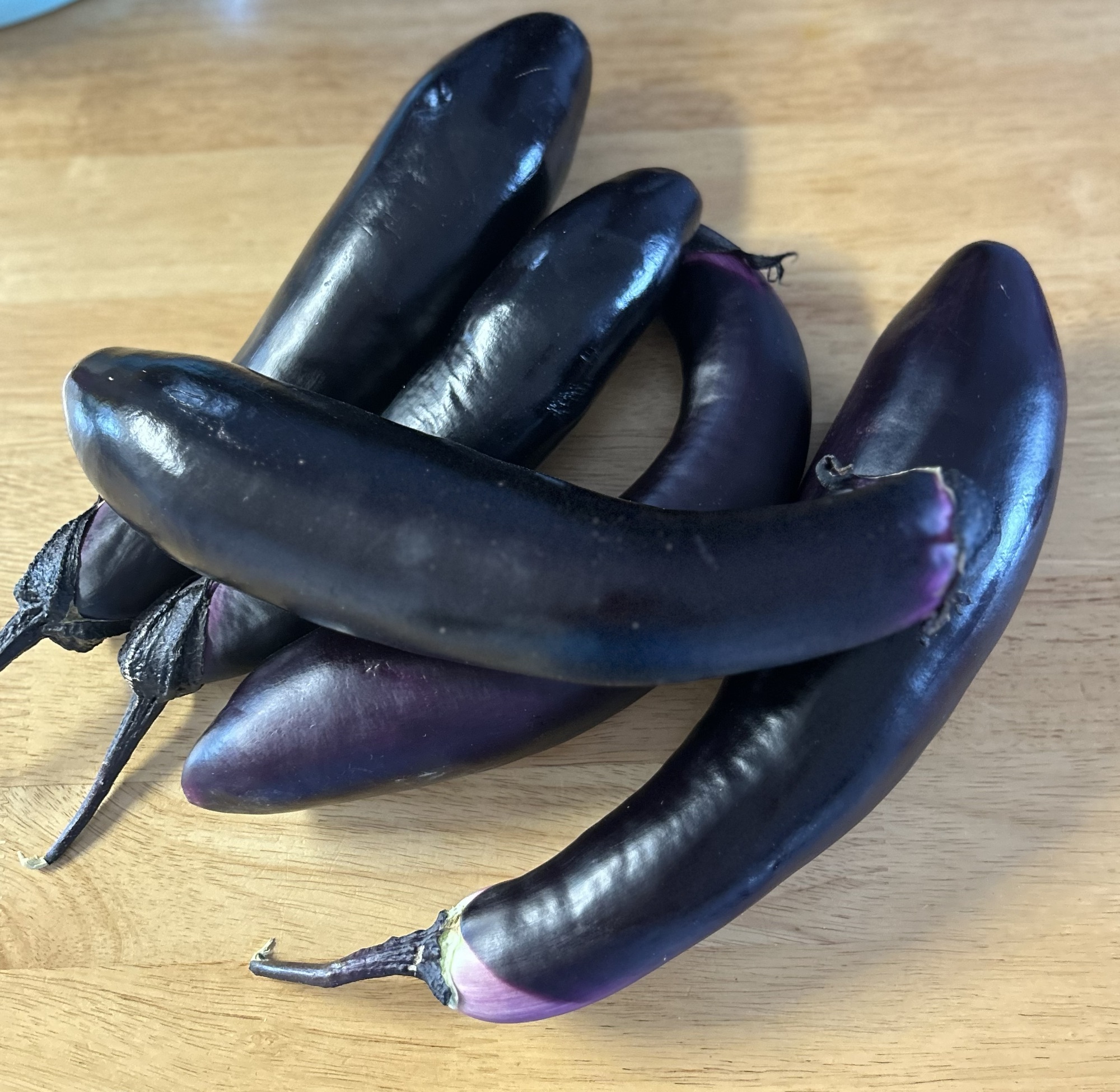
  • 2 long Japanese eggplant (can use round eggplant but peel if the skin is too tough)
  • vegetable oil
  • 1/4 cup minced garlic
  • 1/4 cup minced ginger
  • 2 tsp Szechaun pepper (finely ground)
  • 1/4 cup black bean sauce
  • 1 1/2 cup chicken stock
  • 2 tsp sugar
  • 1 tsp toasted sesame oil
  • 2 tbsp chile crunch (optional)
  • 2 tsp corn starch mixed with 1/4 cup water for slurry

GARNISH

sliced scallions and roasted sesame seeds

METHOD

Just before you start cooking, cut the eggplant lengthwise and then into smaller (triangle?) pieces.  If you do this too early, they will discolor.

Heat wok over med high heat, and when it is starting to smoke add the eggplant in a single layer (do in batches if you have to).  Allow to sit undisturbed until you get some color on the eggplant pieces and then stir them up, and allow to caramelize a bit on all sides.  

After you’ve cooked all the eggplant, add 2 tbsp oil to the wok and saute the ginger for a minute, just until it starts to soften, then add the garlic.  Fry just until fragrant, (watch carefully, burnt garlic is bitter!).

Add the pork mixture and stir fry until it has been cooked through and lightly caramelized in bits.

Stir in the pepper and the black bean sauce.  Cook for one minute until it is bubbling, and add the chicken stock, chiile crisp (if you are using it), sugar and sesame oil.

Add the eggplant to the mixture and stir well.  Once it is all combined and boiling again, stir in the cornstarch slurry and just allow it to thicken and get nice and glossy.

Serve over fluffy white rice, garnished with green onions and toasted sesame seeds.

If you want to make this gluten free use sake or dry sherry in place of the Shaoxing wine, use gluten free chicken stock, and make sure your black bean sauce is gluten ffree (it is hard to find!).
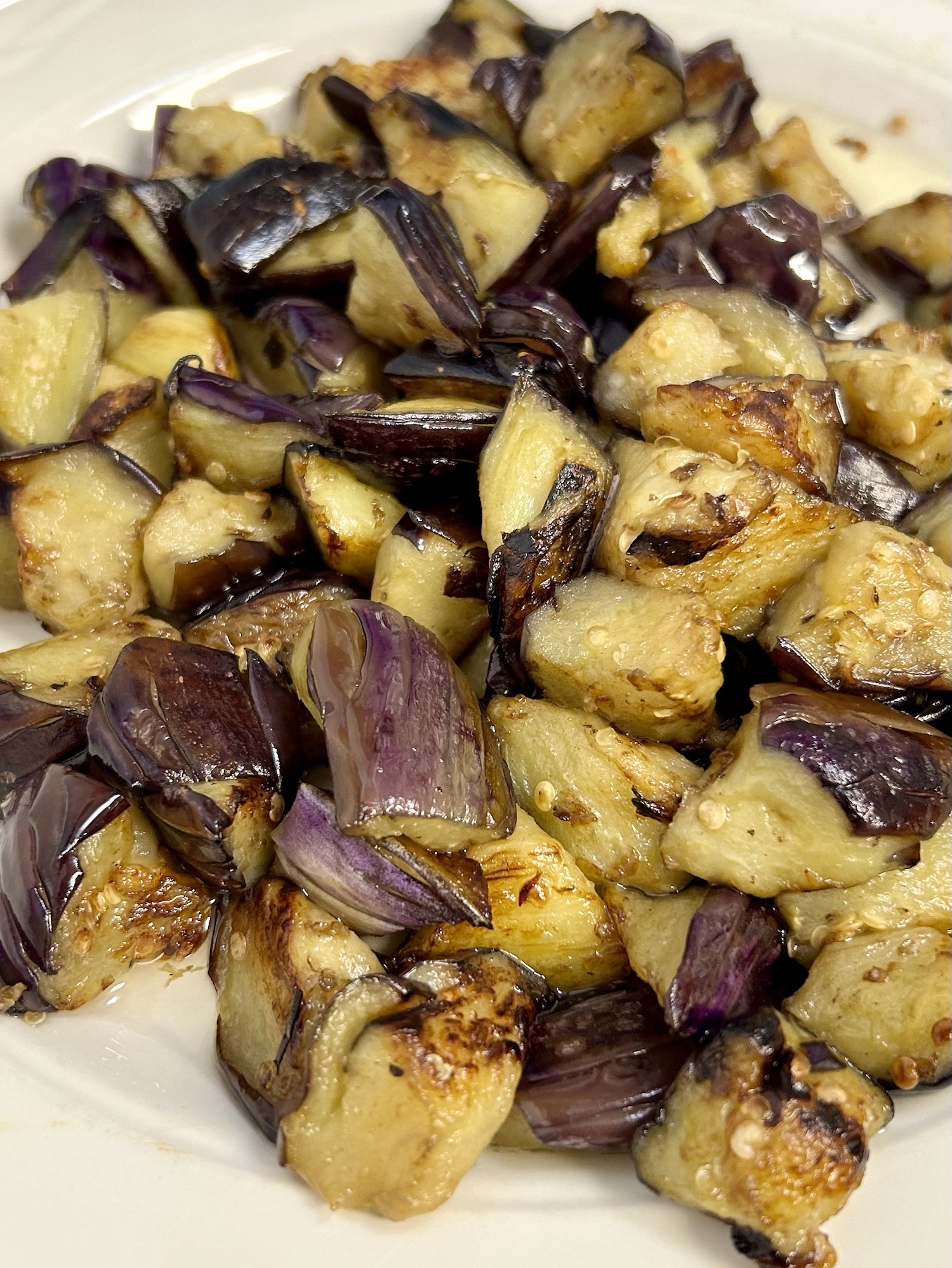
Look how soft and creamy the eggplant is – addictive!
Cook pork crumbles until crispy in spots
Look at this happy wok, bubbling away – and smelling incredible.

EGGPLANT & TOFU WITH BLACK PEPPER

My garden is overflowing with Japanese eggplant right now and I couldn’t be happier about that. I’ve got enough that I’ve had to move on from my usual go to of miso/soy grilled eggplant and try other preparations. This is a sure fire winner, a quick and easy one dish meal, and served with rice a very complete meal. Never fear, I still made a salad ….. I think by now Grant is disappointed when salad doesn’t show up for dinner.

These beauties are delicious 😋 I’m late to learning a love for eggplant but making up for it now!

  • 14-ounce package extra-firm tofu
  • Neutral oil for roasting (I use safflower)
  • 1 tablespoon cornstarch
  • 3/4 to 1 pound eggplant
  • Kosher salt
  • 3 to 4 tablespoons unsalted butter (the higher amount is slightly more rich)
  • 1 heaped cup thinly sliced shallots or 1 medium white or red onion, thinly sliced
  • 5 garlic cloves, peeled, crushed
  • 2 tablespoons finely chopped ginger
  • 1/2 cup low-sodium soy sauce
  • 1 tablespoon granulated or brown sugar
  • 1 tablespoon crushed or very coarsely ground black pepper, and more to taste
  • Rice, for serving
  • Chile-garlic sauce, crispy chili oil, or sriracha for serving

Heat oven to 425 degrees F. Drain tofu and place on a few layers of paper towel with more over it; set aside for 5 minutes, or until needed. Drizzle 3 tablespoons oil over your largest baking sheet and place it on the oven to get very hot while you get everything else ready. Trim eggplant and cut eggplant into 1-inch pieces. In a large bowl toss with 1 tablespoon oil and a few pinches of salt. Remove hot pan from oven and spread eggplant over half to 2/3 the pan. Cut tofu into 1-inch cubes. Toss gently in empty bowl with cornstarch and a couple pinches of salt until coated. Spread on empty part of baking sheet.

Roast tofu and eggplant in oven for 20 minutes to start. After 20 minutes, use your thinnest spatula to gently separate the tofu from the pan and flip to crisp and brown on the other side, about another 10 minutes. Do the same with the eggplant. At 30 minutes, the tofu should be crisp and browned and the eggplant should be roasted and tender. If needed, cook it for 5 more minutes.

I have a number of sources for amazing Asian cooking, Kenji Lopez Alt, Andrea Nguyen, Just One Cookbook, The Woks of Life, but in a surprising turn, this came from another of my all time favorite bloggers, Deb Perelman of Smitten Kitchen. I’ve never had a fail from any of her recipes, and if you want to truly be entertained, hop on over to her blog for the full write up, and more of her wit.

Salad Rolls with the BEST Peanut Dipping Sauce

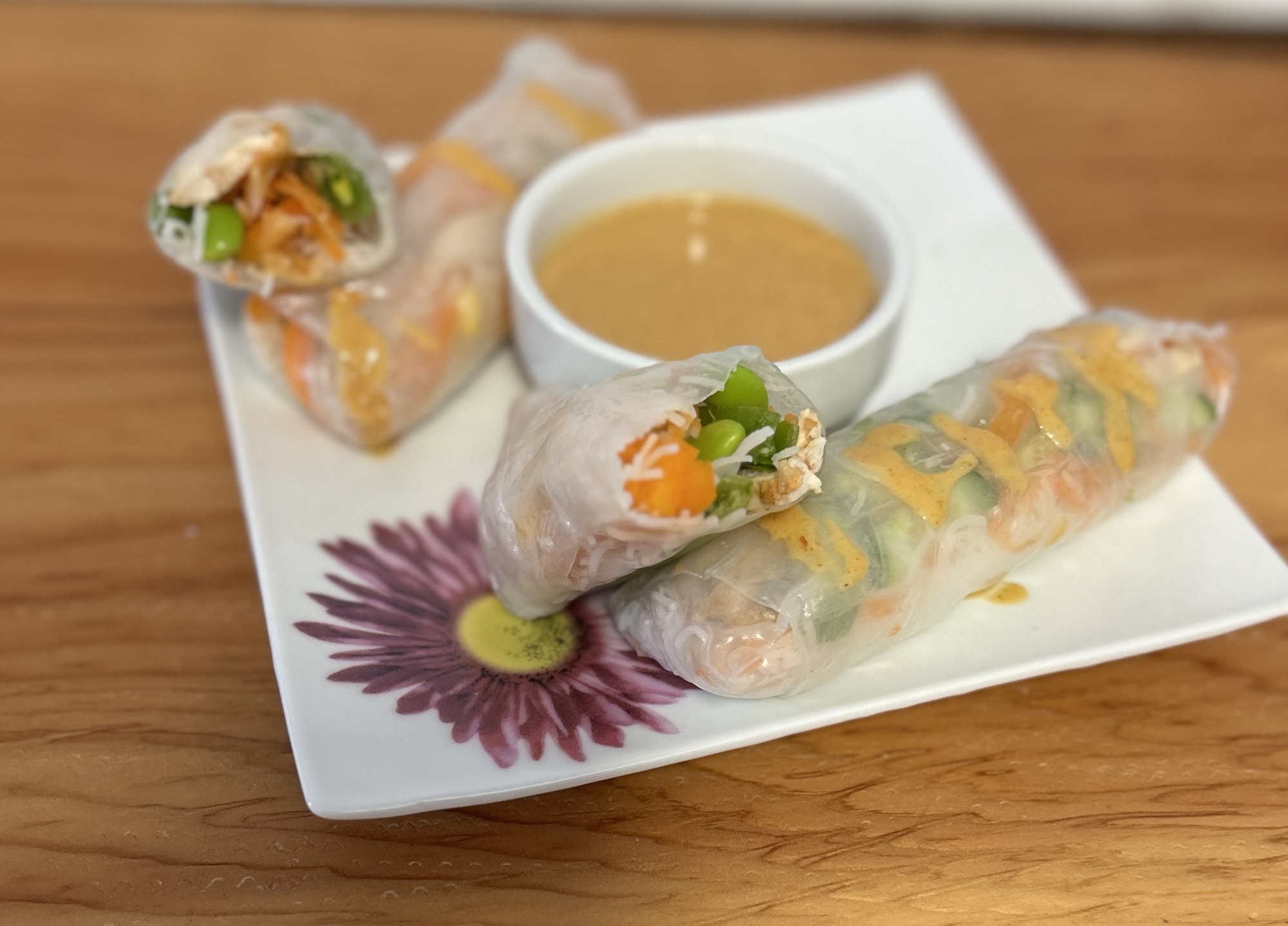
We had Salad Bar (Sloan’s choice) for Sunday dinner, which meant creating these salad rolls from the leftovers was a breeze!  Stella and I often get stuck in on projects for lunch, but this was so quick and easy, utilizing the grilled chicken and prepared vegetables.

What sells this though, is the peanut sauce!  So good, Stella and I decided it better go on the blog right away so we remember the recipe, and how quickly it came together.

SALAD ROLL INGREDIENTS

  • rice paper wraps
  • cooked thin rice noodles
  • cooked chicken, grilled prawns, or whatever protein you fancy
  • slivered vegetables, whatever you like
  • bean sprouts
  • lettuce

Soften wraps in warmish water, don’t allow to get too soft or they will tear as you wrap.  They continue to soften as they sit.

Lay wrap down, and with lightly moistened fingers place your ingredients in the lower half of the wrap, fold edges in to trap filling and then roll as tightly as you can.  The sky is the limit with whatever you like to fill your salad rolls with.  We didn’t have any lettuce but if you do, laying a leaf down, and then placing the filling on the lettuce helps to prevent the wrap tearing and gives the salad rolls a nice crunch.

(you can google wrapping salad rolls – there are lots of those videos available)

The star here …. PEANUT SAUCE

  • 1/2 cup peanut butter (use natural for the most peanut flavour)
  • 1/3 cup soy sauce
  • 2 tbsp toasted sesame oil
  • 2 tbsp rice vinegar
  • 2 tbsp sambal oelek or chili paste
  • 1 tbsp hoisin sauce
  • 2 tbsp sugar (could sub honey if you prefer)
  • 1 knob of fresh ginger, peeled (to taste)
  • 1 garlic clove, peeled
  • Up to 1/4 cup of water, to thin as needed.

Whiz all this up in a blender, using water as you see fit and taste to see if it needs any adjustments.

The chili paste is where the little bit of spicy heat comes from.  We both like a little bit of heat, but not overwhelmingly spicy.  We found 2 tbsp was perfect but go according to your own tastes, and of course the type of chili paste you have.

I got the base of this recipe from Lindsay at Pinch of Yum, and we decided to get it on here so we don’t keep looking for one … thanks Lindsay!

Ready to eat, these salad rolls were so quick, we had them on the table easily.

JAPCHAE

Set aside a bit of time to make this dish – today it took me 2 1/2 hours but it makes a lot, and keeps really well in the fridge for a couple of days. Just call it kitchen yoga and you are guaranteed to feel quite smug.

This Korean noodle dish is truly crave worthy. If anything, tastes even better the next day but don’t let that stop you from making and eating it for dinner the same day! It took a bit of effort to find potato starch noodles but it was worth the effort. They have a springy texture that is unlike any other noodle I’ve had.

  • 12 ounces (340g) of pork loin or steak – cut into very thin slivers
  • 3 garlic cloves, minced
  • 1 tbsp water
  • 1 1/2 tbsp chinese cooking wine (shaoxing)
  • 1 /2 tsp oyster sauce
  • 2 tsp sugar
  • 1/2 tsp baking soda
  • 1 1/2 tsp cornstarch
  • 1/2 tsp freshly ground white pepper
  • 1/2 tsp sesame oil

I’ve also learned a new technique through J.Kenji Lopez-Alt about velveting meat for stir frying, and trust me, it makes a huge difference!

First, give your meat a little bath – scrub it in running water and then squeeze to drain it really well.

Combine the meat with all the other ingredients in a bowl and massage it vigorously – I like my using my hands but feel free to use a spoon if you prefer. Set aside for 30 minutes, or in the fridge for 4 hours or so.

Blanch spinach or kale in boiling water, cool and chop a little.

Stir in:

  • 1 clove minced garlic
  • 1 tsp sesame oil
  • 1/2 tsp salt

10 ounces (280 gr) of sweet. potato starch noodles (Dangmyeon) – cooked acording to package

Sauce for noodles:

  • 1 tbsp sesame oil
  • 1 tbsp soy sauce
  • 2 tsp sugar

Once noodles are cooked, drained and rinsed, cut them into smaller pieces and stir with the sauce. Set aside.

  • 1 onion, thinly sliced
  • 1 red pepper, thinly sliced
  • 1 yellow pepper, thinly sliced
  • 3 garlic cloves, diced
  • 3 scallions, cut in 3 ” pieces
  • 1 pack of baby spinach or kale (as much as you like, really)
  • bean sprouts (as many as you like)

OPTIONAL:

  • raw carrot strands
  • slivered snap peas
  • pea shoots
  • cucumber, thinly sliced

Japchae sauce

  • 2 tsp sugar
  • 1/2 tsp freshly ground pepper
  • 2 1/2 TBSP soy sauce
  • 1 TBSP sesame oil
  • 1 TBSP gojuchang (korean spice paste)

Stir well in a large bowl. Taste and adjust for seasoning. I usually use low sodium soy sauce but using Gluten Free soy sauce, now that Stella is Celiac, we are all learning to cook without any wheat in our products, so initially I found this a bit salty, I adjusted with a little rice vinegar and touch of oil. (Basically, the vinaigrette I had made and in the fridge)

UPDATE – see below for a sauce suitable for all gluten free folks – it was so good!

Time to stir fry the veg!

In a wok or large fry pan heat vegetable oil and stir fry onion and red pepper until soft and set aside. Then stir fry any other vegetable you choose to add.

I like to have a mix of raw and stir fried veg……

Heat wok again and add some vegetable oil – stir fry the meat, and add in the bean sprouts and kale or spinach, fry just until softened. Add back the red pepper, onion, garlic mix as well as the cooked noodles. Toss well to warm everything through and then add to the bowl with the sauce, mixing well

Once you have everything prepared, toss it all with the sauce. My usual tactic is to put all the veg in the bowl and then gradually add the sweet potato noodles, that way I don’t overload the bowl with too many noodles. Just ask Mike, I’m guilty of cooking more noodles than needed – always.

Sprinkle with toasted sesame seeds and chives or green onions for a little color.

Sit back and enjoy! Pour yourself a glass of well deserved wine.

Todays version included sautéed mini bok choy. You could easily call this a clean out the fridge noodle dish, anything goes! This doesn’t have any meat in it at all, I felt like some Korean grilled chicken thighs – a bit of sweet, spicy and char makes it perfect. That is on the grill separately. If you leave it as is, you’ve got a great vegetarian dinner!

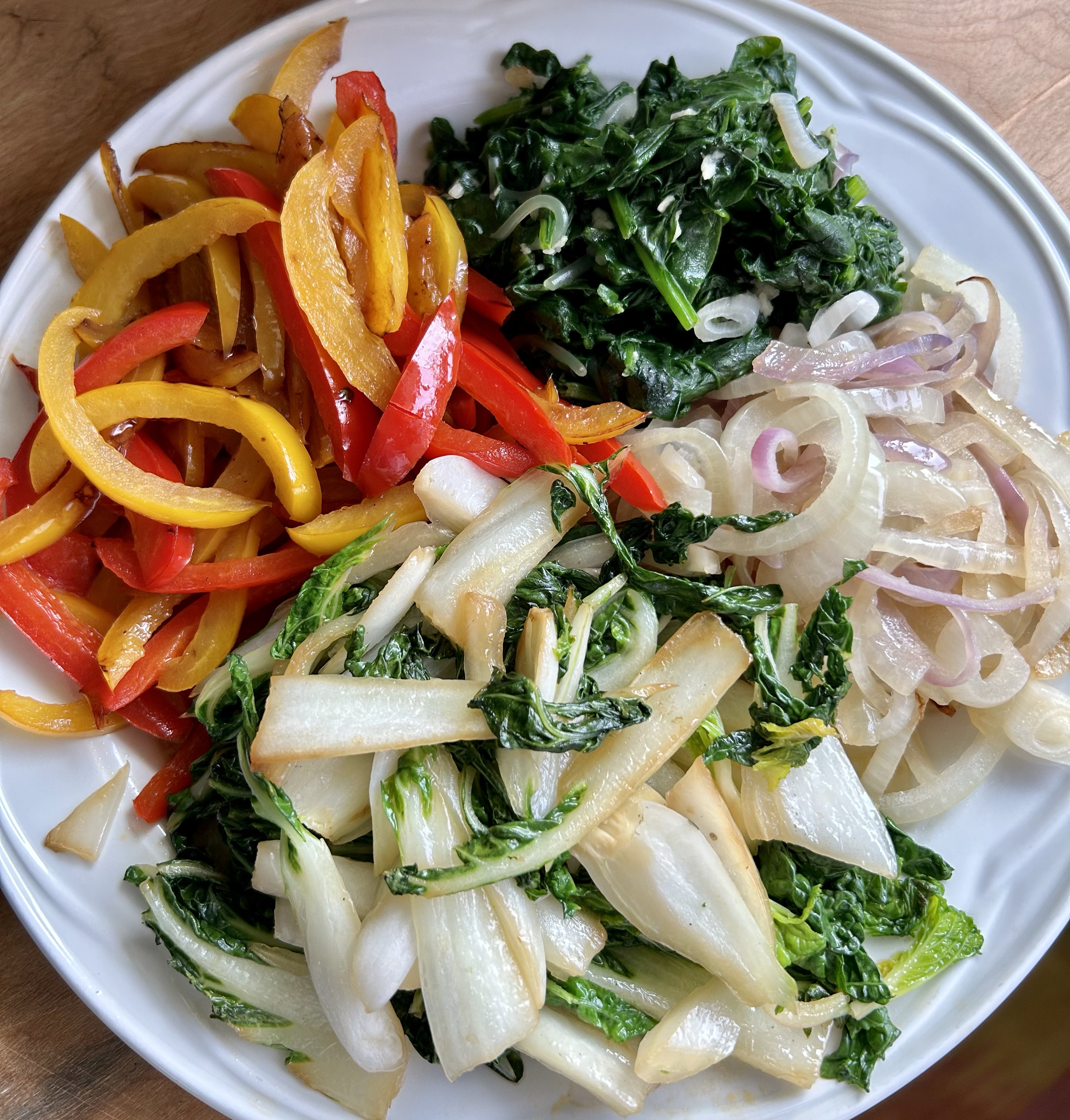
This was all the sautéed vegetables in tonights dish – each in the pan at separate times. I know, I’m fussy that way – go ahead and throw it all in at once if you like, and let me know if it makes any difference …. haha

Here are the raw veg – along with the cooked sweet potato noodles. – today was spiral carrots, bean sprouts, pea sprouts and slivered snap peas.

JAPCHAE SAUCE GLUTEN FREE VERSION

3 TBSP GF soy sauce

1 TBSP brown sugar

1/2 TBSP sesame oil

Whisk together until the sugar is dissolved. I added a bit of chili oil for a little kick, but honestly, this was fantastic, and we all loved it.

If you can find gojuchang free of malt barley, then you could just use the original sauce recipe.

Vegetable Pancakes

Stella was insistent that I get my recipe for vegetable pancakes on the blog right away so she could make them at home with Hayley!  Such a quick, easy and delicious way to have a meal on the table in minutes, these are great for lunch, dinner or snacking.  I usually make a pile and they warm up quickly in the toaster oven.  They are a bit of a mash up of Korean pajeon, Japanese Okonomiyaki and Chinese scallion pancakes (even a bit like my zucchini fritters!)

I will get a better photo, but Stella didn’t want me to wait, she loved them so much!
  • 1/2 cup all purpose flour (once Stella was diagnosed with celiac, we used Gluten Free Flour)
  • 1/2 cup potato starch or cornstarch
  • 1/2 tsp baking powder
  • 1/2 tsp Chinese 5 spice powder (optional but we liked it)
  • 1 tsp sea salt
  • 1 egg
  • 3/4 cup very cold water
  • 4-6 cups very thinly sliced or julienned vegetables

oil for frying

Whisk dry ingredients together, then stir in egg and water. Add in all your vegetables and stir just to combine. You only need enough batter to hold the vegetables together.

Preheat oven to 300 to keep the pancakes warm as you cook them.

Heat oil in frying pan, and drop in 1/4 cup amounts, flattening them out slightly. Cook for 3-5 minutes on each side until golden brown and crispy. You will have to do this in batches, so keep them warm in a 300 oven until you have them all fried. Don’t crowd the pan or they will steam rather than fry.

I first tried this recipe as Korean pancakes, adding some chopped kimchi as well as a bit of the juice, but ended up using it for many different vegetables.

Serve with dipping sauce:

  • 1/4 cup soya sauce
  • 1-2 tbsp rice vinegar
  • 1/2 tsp sesame oil (I like toasted)
  • 1/2 tsp sugar
  • 1/2 tsp hot sauce or chili crisp (such as sriracha)

Stir together and set aside for service. Taste and adjust for your personal preference.

Use whatever vegetables you have in your fridge! It really is a fridge clean out in the best possible way.
Make sure you don’t crowd the pan – it takes very little oil.
Flip when nice and crispy, and a golden brown.
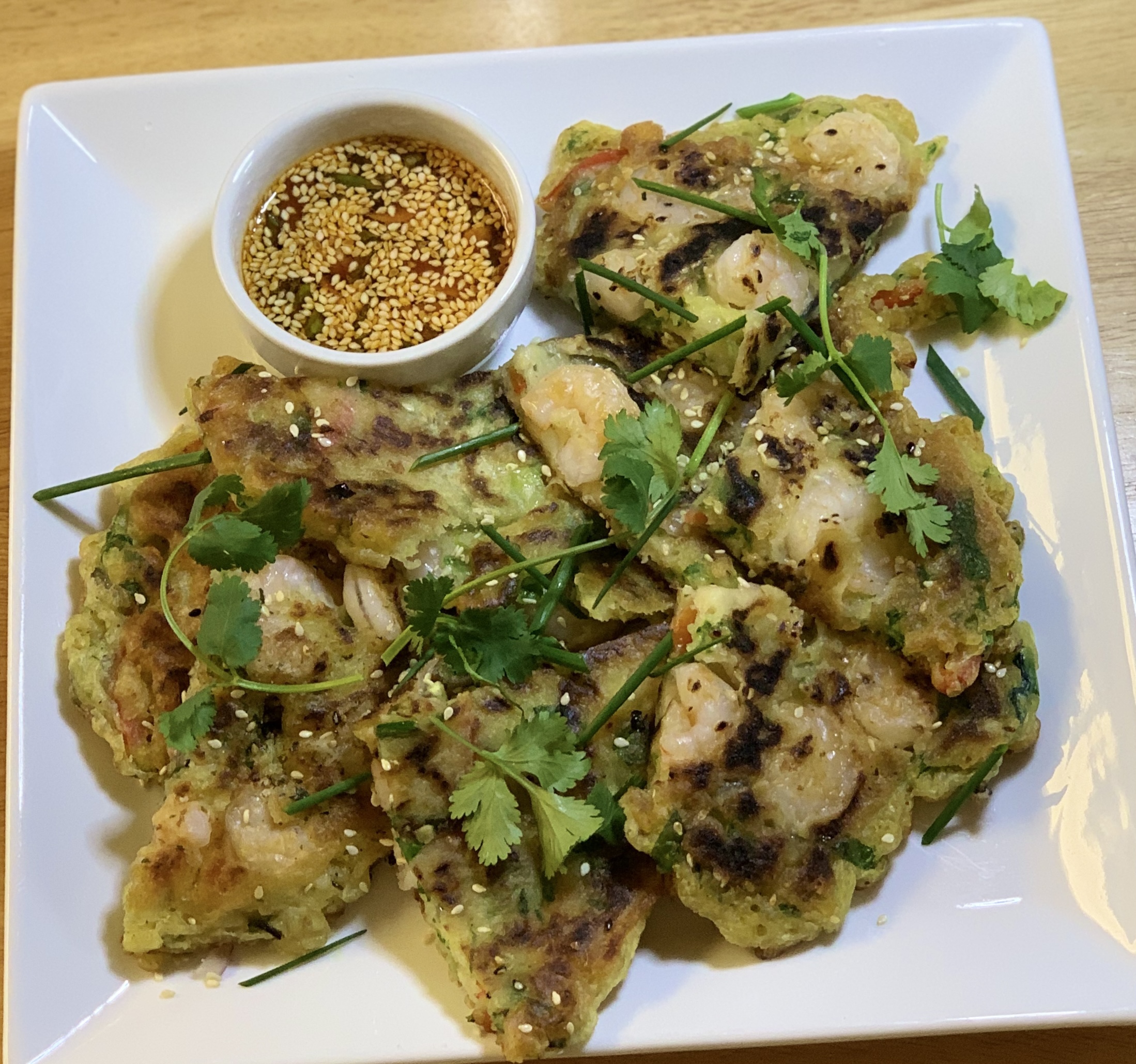
These ones had fresh shrimp and lots of chives.
Another day, another batch

30 minute Broth for Asian Soup

Need a quick, easy but delicious dinner idea? Here you go – this broth is amazingly flavorful for so few ingredients and can be packed with whatever you have in your fridge.

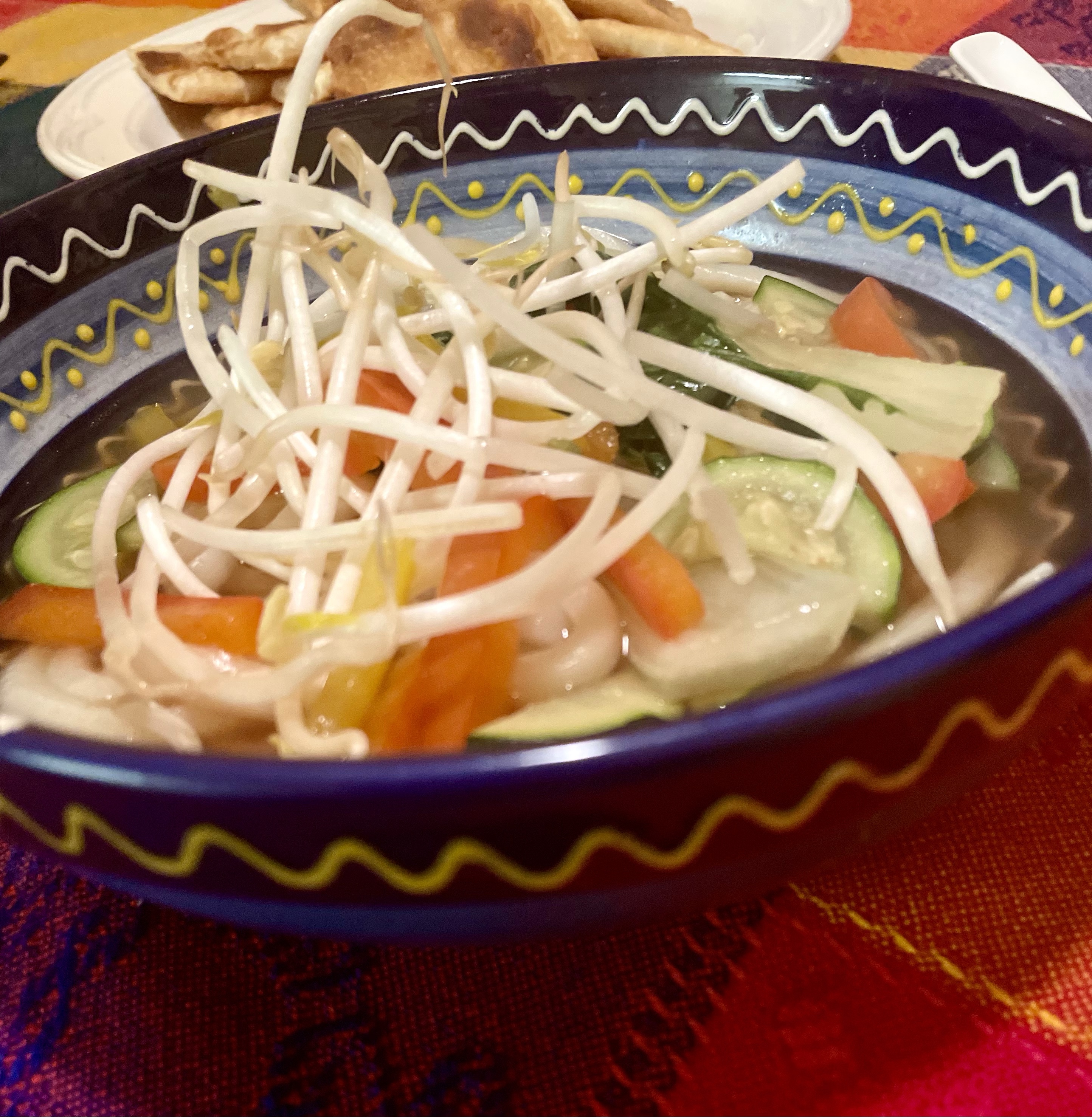
Sloan took this photo of her own bowl – I love a recipe that allows everybody to fashion their own meal the way they want to eat – a sure fired winner for picky eaters!
  • 6 cups chicken broth (use veg broth if you. are looking for a vegetarian night!)
  • 4 flattened but not minced garlic cloves  – left whole
  • 1 inch piece of ginger, sliced
  • 4 green onion ends, white part only
  • 3 tbsp light soy sauce (or low sodium soy sauce)
  • 1 tbsp sugar 
  • 3 tbsp Shaoxing (chinese cooking wine)
  • 1 tsp sesame oil

This is one of the quickest broth recipes I’ve ever made, and it is absolutely delicious. Ready in only 30 minutes, that gives you enough time to prep all the delightful ingredients you want to complete your lunch or dinner.

Heat a little neutral oil in a deep pot and lightly toast the garlic cloves, ginger slices and white parts of green (spring) onions. As soon as they are lightly roasted, add the broth, soy sauce, sugar, Shaoxing, and sesame oil. Bring to a gentle boil, and then turn down and simmer for 30 minutes. You can do this as early as you like and just keep it warm until you are ready to eat. When ready to serve scoop out the aromatics and you have a lovely clear broth to enjoy with as many fill ins as your bowl can hold.

Serve with: Any or all of the following!

  • Cooked ramen, udon or egg noodles
  • Vegetables (cooked in the broth if you like!)
  • Fresh bean sprouts
  • Cooked wontons
  • shredded chicken
  • cooked seafood

Garnish your bowl with the slivered green onion tops, toasted sesame seeds and cilantro. Serve alongside hot sauce and hoisin sauce if anybody wants to add a bit more punch.

I usually have another pot of boiling water on the go that I first cook the noodles in, then lightly blanch vegetables (bok choy, spinach, bell peppers, zucchini, snap peas). Frozen wontons (purchased or homemade) can also be cooked in this water. I find that if you cook everything in your seasoned broth it dilutes the seasoning and results in a cloudy broth. Both still good, but you may need to adjust seasonings.

Use whatever you like to create your own bowl – we love a combination of lightly cooked and fresh vegetables, as well as plenty of herbs – top it all with peanuts or cashews, sesame seeds and more herbs.
Don’t forget a drizzle of chile oil if you like the heat!

Vietnamese Bun Cha (meatballs)

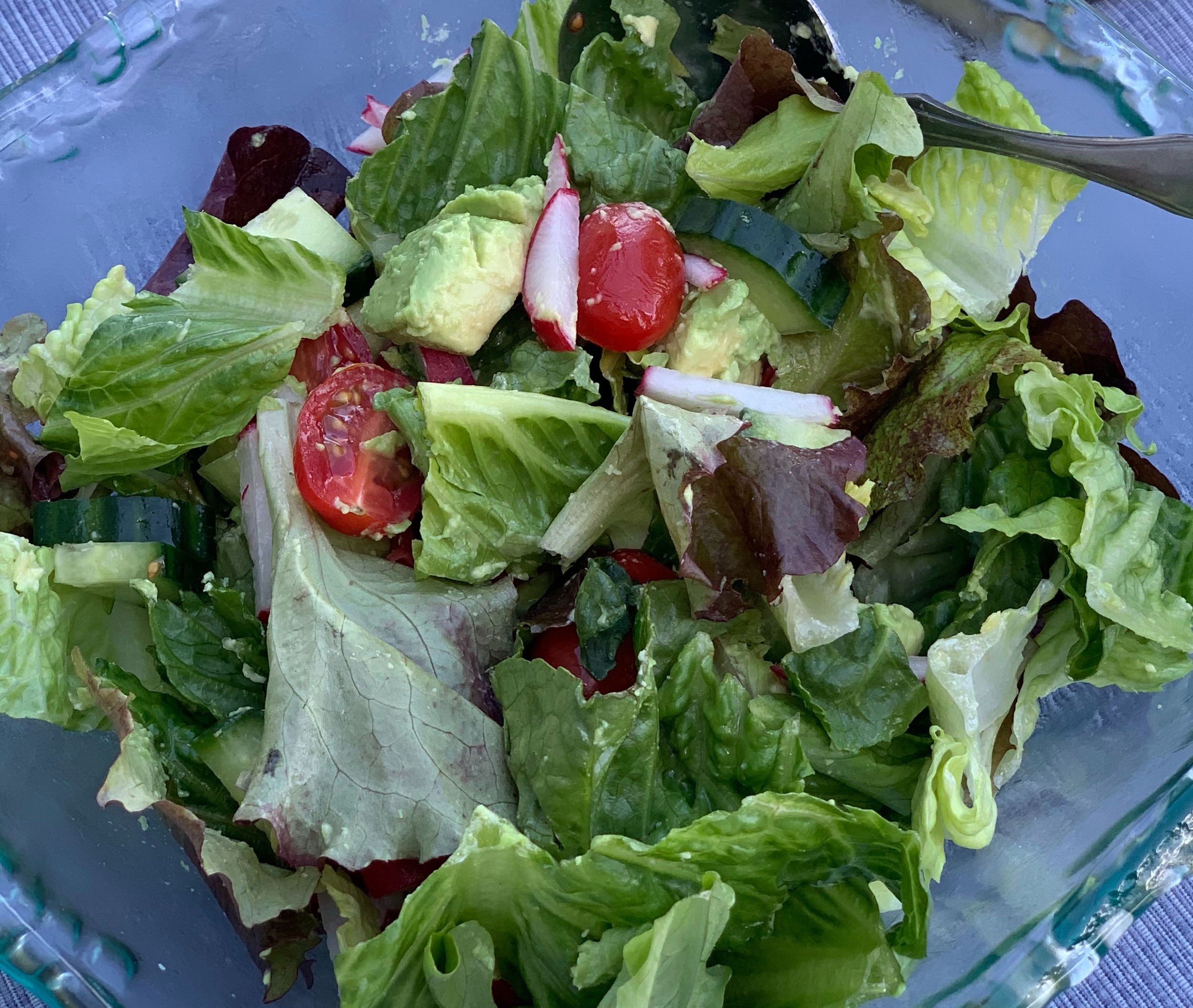
This bowl featured lightly sauteed bok choy, and a pile of fresh veg – cucumbers, radish, tomato, fresh herbs and scattered with fresh chives.
another night we sauteed peppers and zucchini, adding mint and basil with chopped peanuts

Cooking the bright flavours of Vietnam are the only way we can travel there right now and this one bowl was packed with lightly carmelized pork patties, tender rice, sautéed vegetables and the crunch of pickled vegetables. Finish it all off with fresh vibrant herbs and peanut crumbles. Don’t forget the nuoc cham to drizzle over! In Vietnam this is often served with enough of the nuoc cham to make you think it is a soup, here I just drizzle enough to make each bite sing! You can easily serve with rice noodles instead of the rice, but we sure do miss fresh rice noodles in Vietnam, so we often use rice. I guess I have to figure out how to make fresh rice noodles at home…

MEATBALLS

  • 8-10 ounces ground pork
  • 1 tbsp fish sauce
  • 2 tsp white sugar
  • 1/3 cup finely sliced green onions
  • 1 clove minced garlic
  • 1/4 tsp each freshly ground white pepper and sea salt

Oil – for frying.

NUOC CHAM

  • 3 tbsp white sugar
  • 3 tbsp fish sauce
  • 2 tbsp rice vinegar
  • 2 tbsp freshly squeezed lime juice
  • 1/3 cup warm water
  • 3 cloves minced garlic
  • 1 small birds eye chili (or 1/2 tsp chili pepper flakes)

PICKLED VEGETABLES

This is really just a guideline – use whatever vegetables you think complement the vegetables that you are sautéing.

  • 2 cups very thinly sliced vegetables – use a mandolin if possible

In a bowl mix up the vegetables, and toss with 1/2 tbsp each salt and sugar, then pour over:

  • 3/4 cup white vinegar
  • 1/2 cup warm water

Make this at least an hour before dinner to allow the quick pickling to work.

INSTRUCTIONS

Mix all the nuoc cham ingredients together and set aside to allow those flavours to get to know each other.

Mix all the meatball ingredients together and form meatballs, then pat down into little patties.

In a lightly oiled fry pan fry all the patties until they are golden brown and slightly sticky.

SERVING

  • Pork patties
  • Sautéed vegetables of your choice
  • Cooked rice or rice noodles
  • Pickled vegetables
  • roughly chopped roasted peanuts, basil, cilantro & mint

Centre the rice or noodles in the bowl, and circle that with the pork patties, sautéed vegetables, pickled vegetables and drizzle with the nuoc cham. Finish with a sprinkle of fresh herbs and peanuts. Dig in! Serve with a little bowl of the nuoc cham to dip your pork into for a little extra juiciness.

Thai Inspired Steak Salad

It’s hard to spot the salad underneath, but it’s there! A tangle of wheat noodles and crunchy salad greens is the base of this – go ahead and use rice noodles or just omit the noodles entirely.

I love a full meal deal salad! This tangle of vegetables, both fresh and grilled, served mixed with noodles and garnished with steak and nuts is just the best. It’s on repeat around here. Go ahead and splurge for the best steak – you don’t need much to make it a complete meal.

This dressing is the star of the show – it is light and bright with just the perfect amount of zing.

  • 1/2 cup rice wine vinegar
  • 2 tsp fresh lime juice
  • 2-3 tbsp chili garlic sauce
  • 2 tbsp soy sauce (reduced sodium)
  • 1 tbsp fish sauce
  • 1 1/2 tsp raw sugar (or honey)
  • 1 tsp minced ginger
  • 1 tsp minced garlic
  • 1 tbsp fresh Thai basil, roughly chopped
  • 1 tbsp fresh mint, roughly chopped
  • 1 tbsp fresh cilantro, roughly chopped
  • 1/2 tsp black pepper, freshly ground
  • 2 tsp toasted sesame seeds **
  • 1/2 tsp ground coriander
  • 1 tbsp toasted sesame oil
  • 1/3 cup peanut oil
  • kosher salt to taste

** I’m a big fan of toasting nuts or seeds as it adds so much flavour. Watch closely because they go from deeply toasted (my personal favourite) to black …. beware. (yes, I speak from experience)

Whisk all the ingredients, except the oils, together in a bowl. Once combined, slowly drizzle in the oils and continue to whisk until well blended. This is the part where you taste, and adjust if needed – sometimes you need a bit more lime juice, salt or sweetener. If you prefer your dressing on the spicy side, add in a bit of Thai chili or chili flakes.

This recipe is just as versatile as whatever you have on hand. Tonight this dish included:

  • Chinese wheat noodles (cooked)
  • salad greens
  • mint leaves
  • basil leaves
  • cilantro leaves
  • cucumber
  • tomato
  • bean sprouts
  • grilled red pepper
  • grilled zucchini
  • steamed baby bok choy
  • grilled beef tenderloin
  • toasted cashews
  • toasted sesame seeds

I like to make a salad out of the cold cooked noodles and fresh vegetables, and pile that in the bottom of my bowl. Arrange the cooked vegetables around the sides along with the grilled steak. Drizzle with the dressing and sprinkle the cashews and sesame seeds over.

If you have time, and have a steak that needs marinating, just use a bit of the dressing. This works equally well with chicken, pork or tofu. If you want to use shrimp make sure to only give it a quick marinade.

When grilling the vegetables, drizzle with a little of the dressing before and after grilling.

When you start with a fresh salad as the base, everything is tastier!!

Vietnamese Salt & Pepper Squid

That dipping sauce might look a little muddy, it was doubling up but trust me, it was delicious!

One of the dishes (among many) that we loved on our travels through Vietnam and Cambodia was Salt & Pepper squid.  Naturally, that squid was ultra fresh, and so very tender it literally melted in your mouth.  Typically served with a bowl of rice, and a pile of greens it is the perfect light dinner.  I love the combination of flavours found in most Vietnamese dishes – fish sauce, lime juice and pepper.  Those show up in so many tasty dishes – makes my mouth water just thinking about it!

SALT & PEPPER SQUID

  • 400 gr squid **
  • 1 tbsp coarse salt
  • 1 tbsp whole black peppercorns
  • 1/4 cup all purpose flour
  • 1/4 cup rice flour (you can substitute corn starch)

OIL – to use for frying – make sure you use a high smoke point oil such as peanut, canola or vegetable. – heat to 350 degrees.  If you don’t have a thermometer, stick a chopstick in there …. once it bubbles all around the chopstick it is ready.

SALAD OR GREENS TO SERVE

Prep whatever fresh vegetables or salad you want to serve.

DRESSING

  • 1 clove garlic, minced
  • 1 tsp ginger, minced
  • 1-2 tbsp fresh red chili, seeded and finely chopped (or chili flakes to taste)
  • 2 spring onions, thinly sliced
  • 2 tbsp freshly squeezed lime juice
  • 1-2 tbsp sugar (I usually stick with 1)
  • 4 tbsp fish sauce
  • 4 tbsp water

If you try anything – make it this dressing! I use it for salads all the time and it is so light and refreshing while adding so much flavour to a simple salad.

** Squid – if you can get it fresh then clean it and slice into rings – leaving tentacles whole.  I’ve only used frozen at this point but you know I will be sourcing some fresh squid!!

Once your squid is prepped, bash up the salt and pepper in a mortar and pestle – bash until cracked and broken but don’t turn it in to a fine grind.  Sprinkle a little directly onto the prepared squid.  Pour the rest into a bowl with the flours and stir until combined.

When oil is hot enough,  put a handful of the squid into the salt/pepper/flour mix and toss to coat lightly and cook in batches in the hot oil.  Do not overcrowd your oil or it will cool down and your squid will absorb more of the oil. 

Remove from oil and sprinkle lightly with salt and pepper.  

If you like a dipping sauce – just bash up a bit more salt and pepper, mixing it with fresh lime juice.

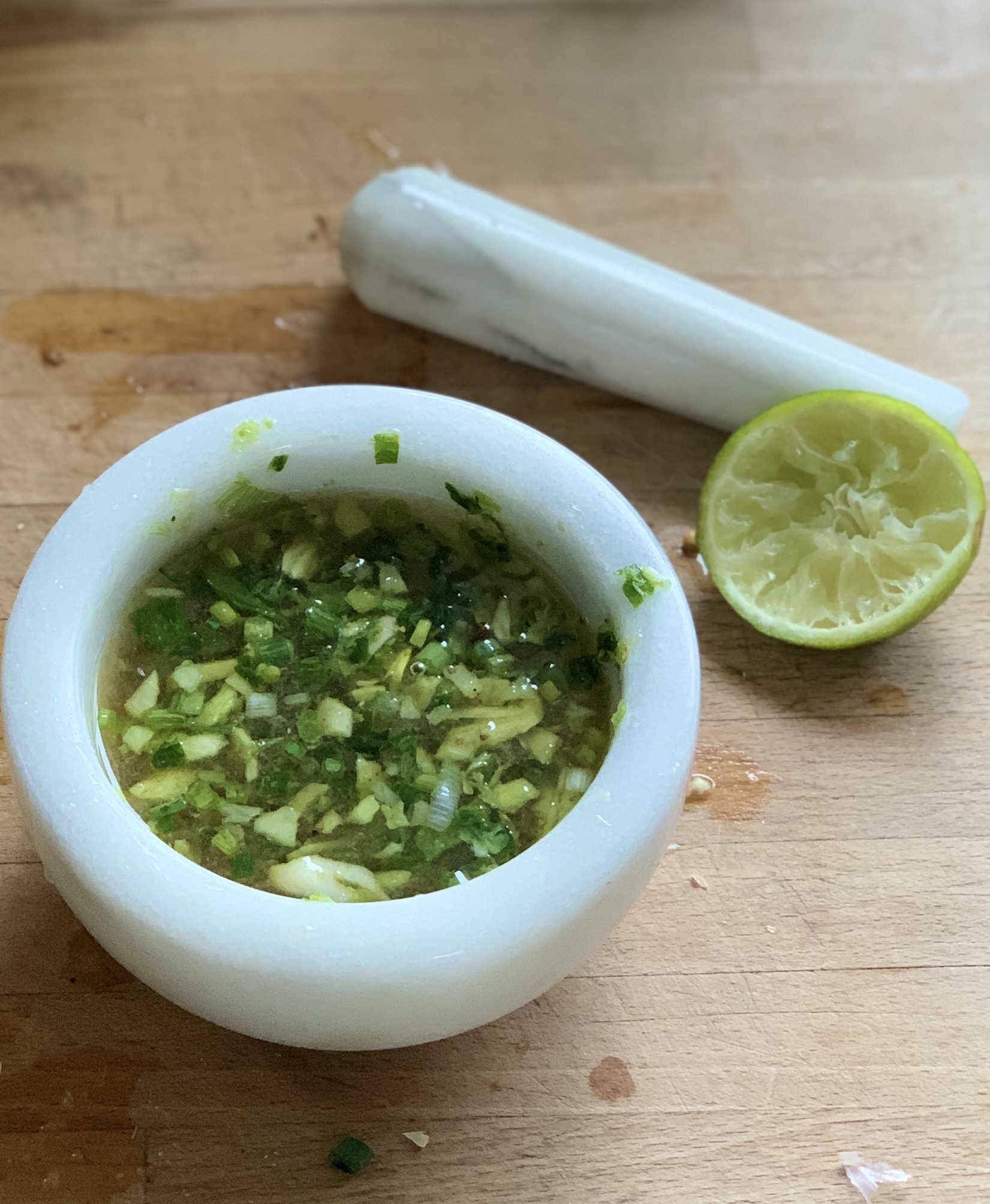
The dressing couldn’t be easier!  Again, the mortar and pestle comes into action so I hope you didn’t clean it after bashing salt and pepper …… Drop in garlic, ginger, spring onion and chili …give it a good bit of action until you have created a paste.  Add lime juice, sugar, fish sauce and water.  TASTE.  TASTE IT AGAIN.  Every single item can be a slightly different taste profile from what I am using and for your individual tastes.  Adjust if necessary.  It should be slightly sweet, slightly salty, slightly hot and slightly tangy.  

If you don’t have a mortar and pestle then just chop everything quite fine and add in the other ingredients … I have about 3 of them so I love using them but don’t run out and buy one if you don’t love the process!

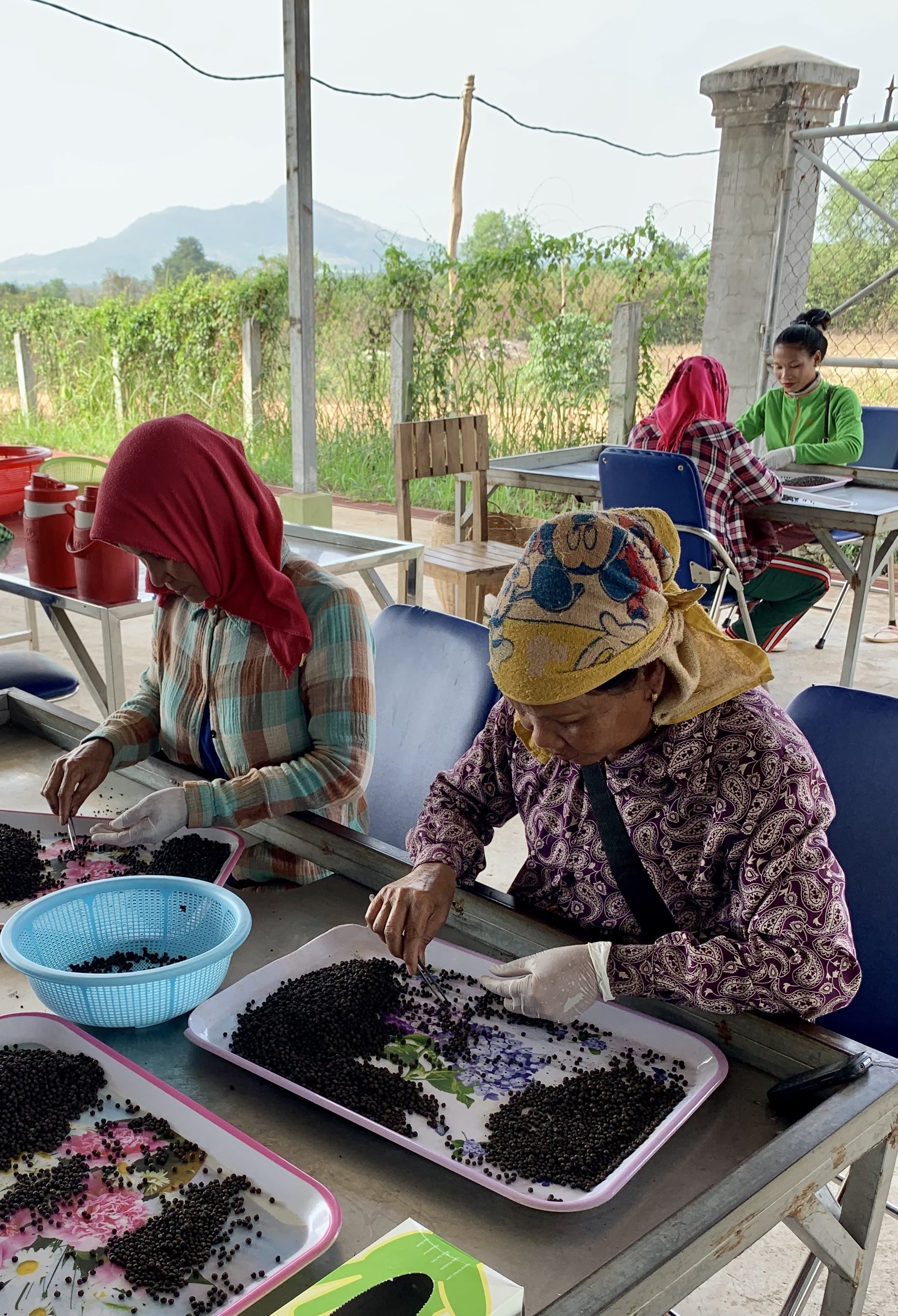
To serve lightly dress your salad with the dressing, pile the squid on and serve with a side of rice if you like, just the way it is served in Cambodia & Vietnam ….. oh take me back! We bought our pepper from the Kampot Pepper Plantation in Cambodia. Touted as the best pepper in the world we had no choice. It really does make a difference when the pepper is that fresh.

Give that salt and pepper a good bash up, but stop before it is all pulverized, a little texture is perfect.
I wish you could smell this! (even though fish sauce tastes a lot better than it smells)
Ready to be dressed at the last moment – this is so light, partially due to the lack of oil.
At the Kampot Pepper Plantation …. yes, those ladies are hand selecting black peppercorns with tweezers!

Korean Pancakes

OMG – so good. This and a salad was perfect for dinner.

I love making scallion pancakes, really wanted something that could be a whole meal deal, and ended up with this – a bit of mash up between Korean Pajeon pancakes, Japanese Okonomiyaki and Chinese scallion pancakes. This gojuchang dipping sauce makes it slightly more Korean influenced, but if you don’t have gojuchang in your fridge then you could easily make a dipping sauce of soy sauce and rice vinegar. (or buy something!)

PANCAKE BATTER

  • 1 1/2 cup all purpose flour
  • 1/3 cup potato starch (could sub corn starch if this isn’t one of your staples)
  • 1 1/2 tsp sugar
  • 1 1/2 tsp baking powder
  • 1/4 tsp baking soda
  • 1/2 tsp freshly ground pepper
  • 1/4 tsp salt
  • 1 1/2 cups ice water
  • 2 garlic cloves, minced

Oil for cooking

VEGETABLE SUGGESTIONS

  • shredded cabbage
  • slivers of spinach
  • very thinly sliced cauliflower
  • minced red onion
  • very thinly sliced red pepper
  • lots of thinly sliced scallions (spring onions)

Prepare all your vegetables and set aside

If you are inclined to do so, go ahead and add shrimp or cooked shredded chicken to make it a heartier pancake. If you do – I’d add it as soon as the batter is spread out in the pan so you can distribute evenly.

DIPPING SAUCE

  • 1/4 cup light soy sauce (I use reduced sodium)
  • 1 tbsp rice vinegar
  • 2 tsp toasted sesame oil
  • 1 tsp sugar
  • 2 tsp gojuchang
  • 1/2 tsp finely slivered ginger
  • 1 minced garlic clove
  • 1 finely sliced spring onion
  • 1 tbsp toasted sesame seeds

Mix well and taste. NO REALLY, SERIOUSLY, TASTE!!! Every different product has a slightly different flavour profile, and you have your own taste preferences so make sure this dipping sauce hits all the notes you are looking for and adjust as needed. Of course, if you aren’t a cooking nut like myself, you may not have all that in your pantry so just buy a jar of dumpling/gyoza dipping sauce! ha ha

METHOD

Whisk together dry ingredients until well combined. Make a well in the centre of the flour mixture and stir in the ice water and minced garlic. Stir just until combined, then add in the vegetables.

I haven’t specified any amounts for the vegetables, so feel free to experiment with how you like the pancakes. This amount of batter will make 4 good size pancakes with a generous serving of vegetables in each one – feel free to pack in as many veg as you like – you literally only need enough batter to hold it all together in the fry pan.

In a non stick pan, heat about 3 tbsp oil until quite hot – stick a wooden chopstick in, and if it sizzles you are ready!

Scoop in about 1 cup of batter and quickly spread it out so it resembles a pancake. Gently swirl the pan allowing the oil to circulate so the pancake gets crispy bits and nicely browned. Like any pancake, only flip it once you start to see bubbles popping on the surface.

Flip, drizzle another tablespoon or so of oil around the edges and swirl so this second side also gets crispy around the edges.

When nicely browned on both sides, remove to paper towel lined plate and keep warm. As soon as you remove it from the heat sprinkle with toasted sesame seeds, and a fresh grate of salt.

This is what I had in the fridge today, so this is what the pancake had! Go ahead and find your own favourites, I really wanted bean sprouts but couldn’t find any decent ones at the store.
You could easily get more vegetables in there, and also create a thinner batter with just a bit more ice water. Whisk an egg into the batter if you are looking for extra protein but want to omit any seafood or meat, and keep it vegetarian.
Todays version included some raw shrimp, which I quickly placed as soon as the batter was down in the pan, and then sprinkled with sesame seeds. I wouldn’t use cooked shrimp as they might toughen up.
What a beauty!
Sprinkle with seasoning as soon as you take them off the pan and keep warm until ready to serve. I also sprinkled with a little bit of Furikake today.

If you have never tried gojuchang, then do so! I love it. My first foray into cooking with it was for KFC, Korean Fried Cauliflower and was immediately hooked. It is a Korean chili paste that has so much flavour – slightly tangy and not too spicy.