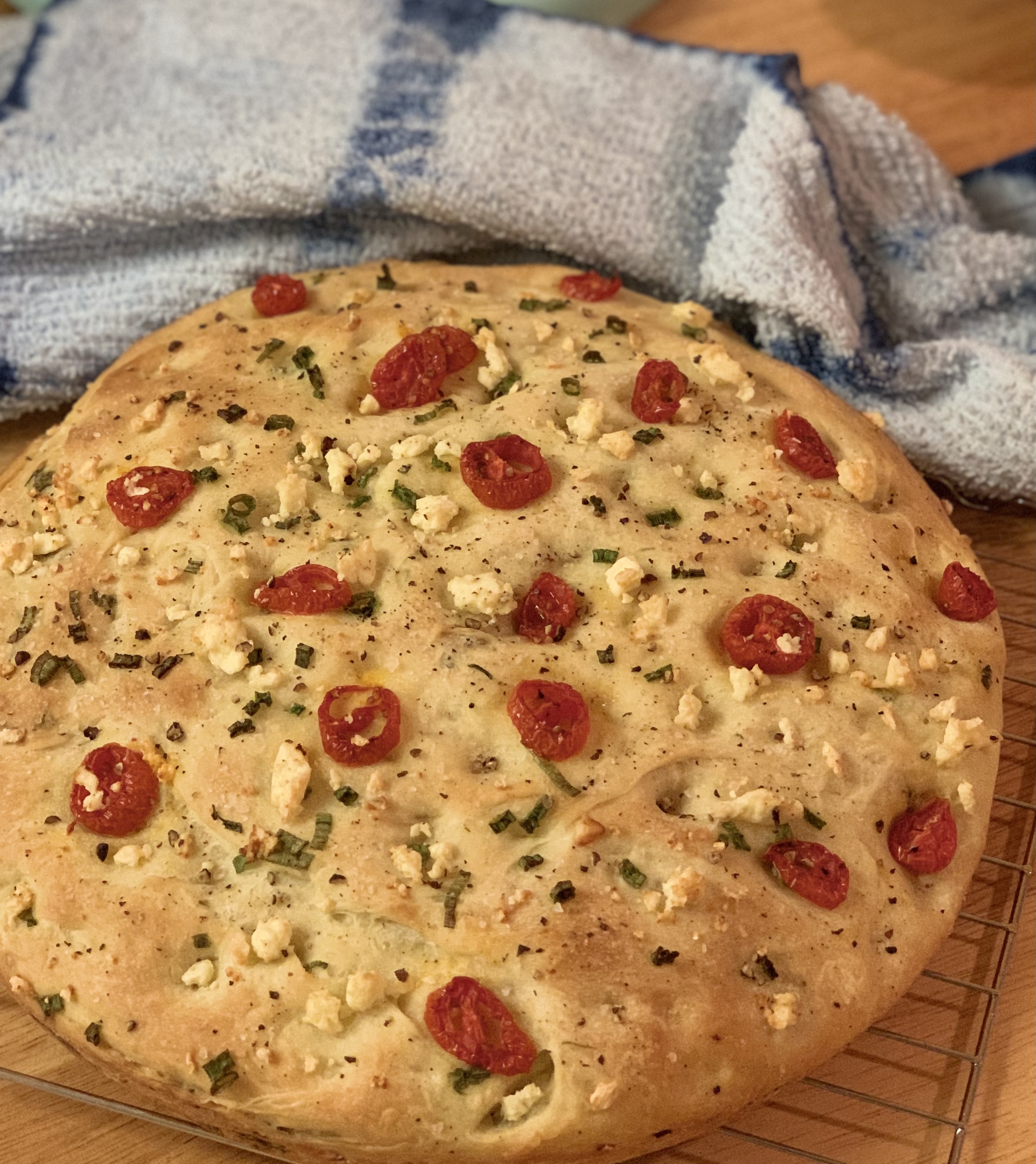
Focaccia, but make it GLUTEN FREE


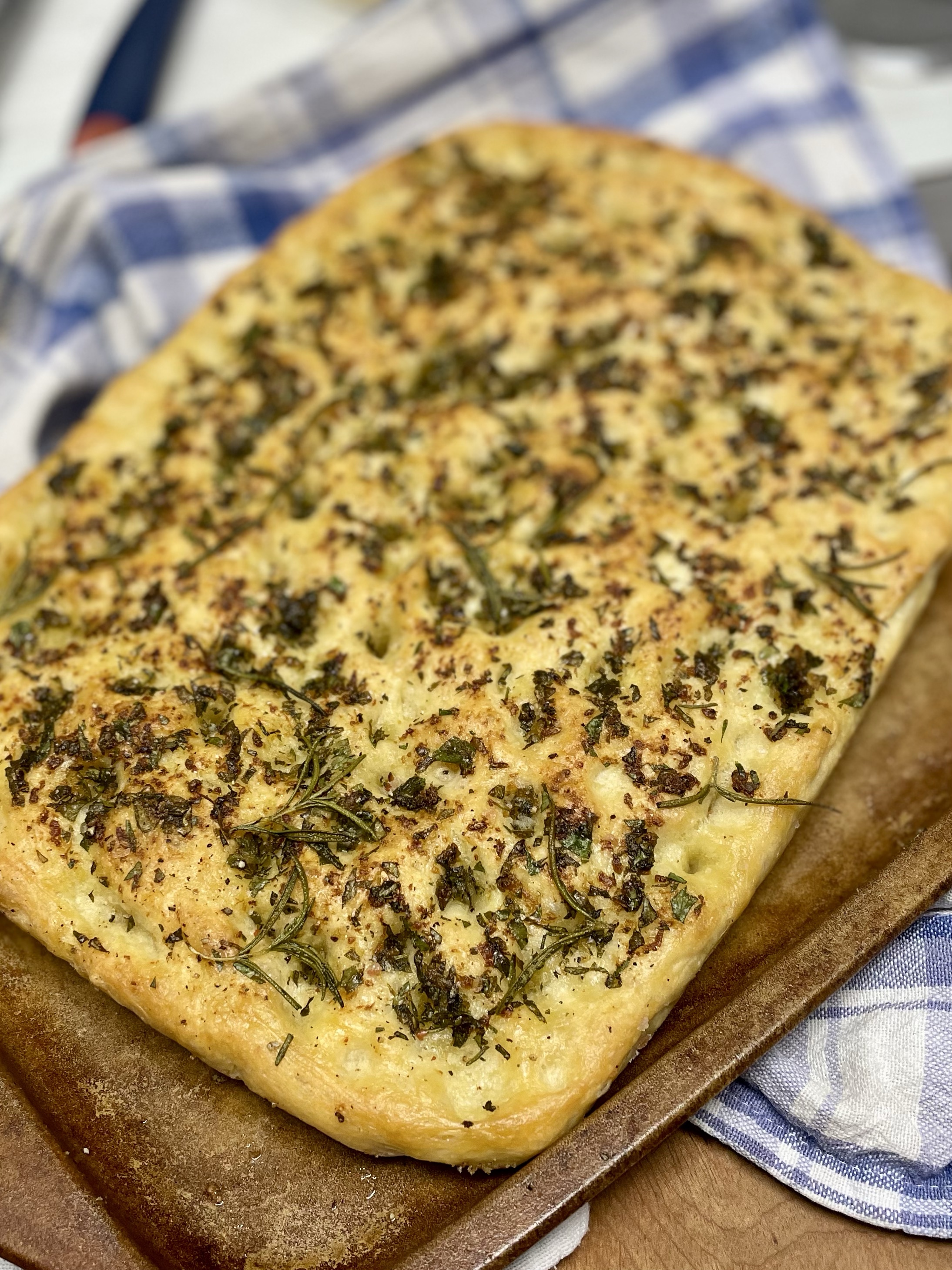
I’ve tried a multitude of gluten free focaccia recipes, with a variety of success.  This one is exactly what I was looking for, even hard to believe it is gluten free!  This is also amazing as it doesn’t require any special equipment, or method, just a few minutes of prep and the time to let it sit.

  • 500 grams warm water (somewhere around 110 degrees is perfect)
  • 10 grams active yeast
  • 1/2 tsp sugar
  • See Step 1 below first!
  • 560 grams Caputo Fioreglut Flour – NO SUBSTITUTIONS PLEASE
  • 24 grams sugar
  • 8 grams kosher or sea salt
  • 24 grams good quality olive oil
  1. Stir warm water, sugar and yeast together.  Set aside until foamy, about 10 minutes or so.
  2. In a large bowl combine Caputo flour, sugar, salt and stir to combine.  Once your yeast is active and foamy, stir that into your flour mixture with the olive oil.  Stir only until well combined, you really do not need to knead!

In a large bowl drizzle about 10 grams of olive oil around the bowl, then drop in your focaccia mixture and top it with another 5 grams of oil.  All this oil will get absorbed into the dough and gluten free bread does require this to give you that classic focaccia flavour, and the sugar helps it to brown.

COVER WELL AND PLACE IN THE FRIDGE FOR A MINIMUM OF

8 HOURS AND UP TO 48

DO NOT SKIP THIS STEP, IT WILL GIVE YOU THE FLAVOUR

AND TEXTURE YOU WANT

Take the dough out of the fridge about 2 hours before you want to bake it, and oil a 9 x 12 baking dish or pan. Tip the dough out into the pan and gently stretch it to fill the container.  Don’t worry it it doesn’t quite reach, as it rises and warms up it should.  Cover and allow to rest in a draft free area for at least an hour, check to see if it has risen and filled the pan.Your dough might need anywhere from 1-2 hours to full rise and get fluffy.  After an hour, preheat your oven to 425  F. so that you are sure it is up to temperature before you bake the focaccia. 

Toppings make the focaccia!  I love to dimple the top, drizzle olive oil over, sprinkle with garlic, rosemary and flaky salt, but I’ve also added sun dried tomatoes, olives, and created pretty designs with herbs and vegetables – you do whatever you feel like.

Bake for 25-30 minutes, checking at 25 minutes.  I usually like to do a quick check with a thermometer, the internal temperature should be about 200 degrees F. Rest in the pan for 5 minutes before taking it out, and will taste best if it sits for another 10 before cutting into it.
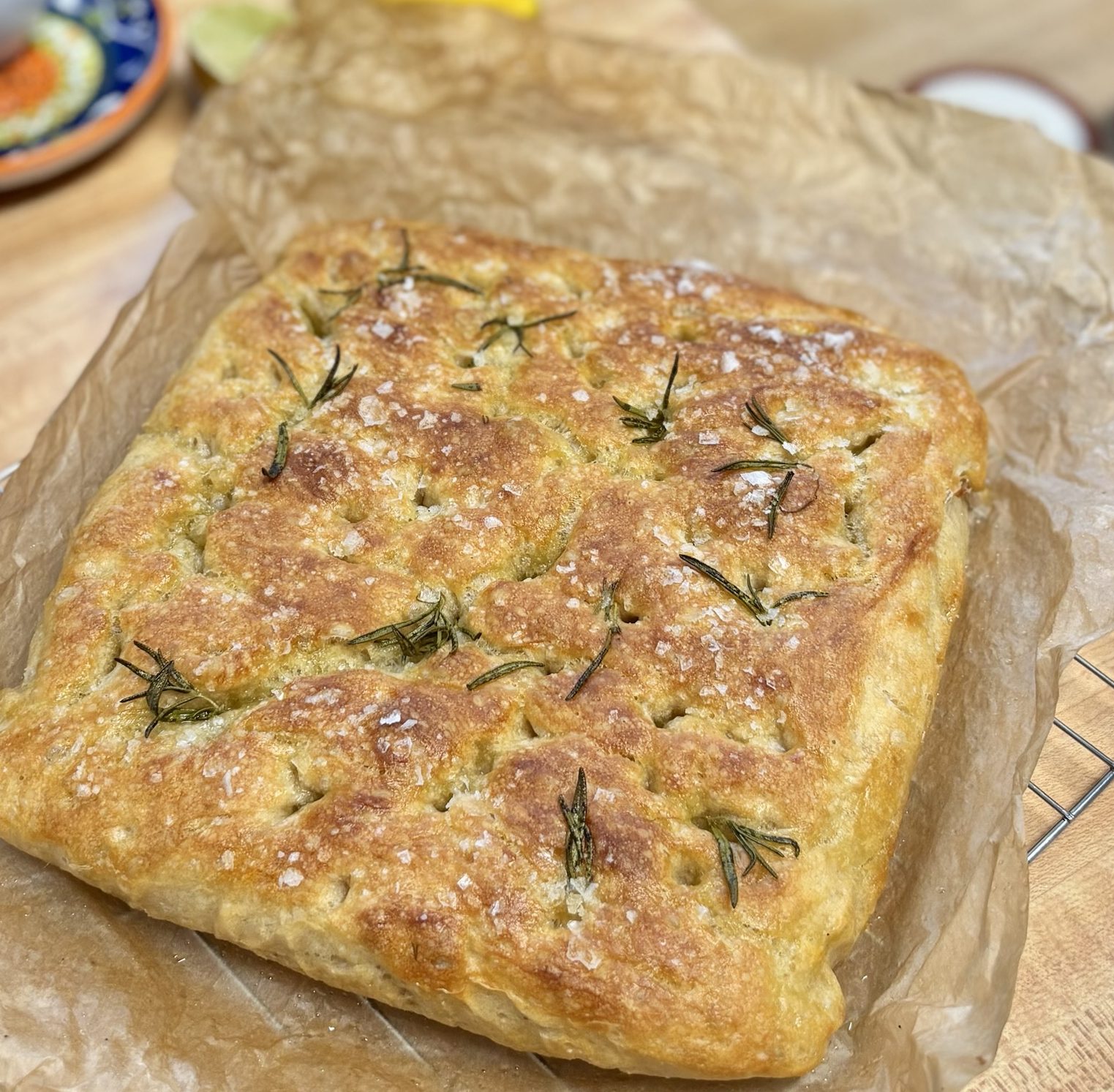
Only needed a small loaf today so this is half the recipe.
Felt like focaccia muffins, so we made these in a muffin tin – crispy edges!

I’m not sure what it is with Caputo Fiorglut Flour, but it is the only one that I get this result with for focaccia. It isn’t easy to get for me (Vernon BC) so I order it online. Pricey yes, but the pleasure Stella gets when she has soft fluffy bread is worth it for all of us.

Carmelized Onion Cheddar Gluten Free Scones

I have to start with saying these are the best gluten free scones Stella and I have ever made. They come together quickly, even with the step of carmelizing onions. We forgot the carmelized onions in this batch (came across them later in the fridge!), and they were still fantastic.
We forgot the carmelized onions and they were still delicious

Carmelized Onions

  • 1 tbsp olive oil
  • 1 medium red or yellow onion, thinly sliced
  • ½ tsp salt
  • ¼-½ tsp pepper

Cheese scones:

  • 240 g (2 cups) plain gluten free flour blend, plus extra for flouring the surface 
  • 2 tsp baking powder
  • ½ tsp xanthan gum (Omit if your gluten free flour blend already contains xanthan gum.)
  • ¼ tsp salt
  • 85 g (½ stick + 2 tbsp) cold unsalted butter, cubed
  • 100 g (about 1 cup) coarsely grated/shredded cheddar cheese (I recommend using mature/sharp cheddar for best flavour and texture.)
  • 2 tbsp chopped fresh chives
  • 1/4 cup diced fine pepperoni or salami (completely optional)
  • 150 g (⅔ cup) cold buttermilk

Scone Topping

  • -2 tbsp buttermilk, for brushing the scones
  • 25 g (about ¼ cup) coarsely grated/shredded cheddar cheese, for sprinkling the scones

Carmelizng the onions:

  • Caramelise the onions first, so they have time to cool down. They need to be cooled completely to room temperature before you add them to the scone dough.
  • Heat the olive oil in a pan over medium heat, then add the finely sliced onions, salt and pepper, and mix well.
  • Reduce the heat to medium-low and cook slowly, with occasional stirring, until the onions are soft and caramelised – they should be of a deep golden brown colour. That usually takes about 15-20 minutes.Tip: If the onions look dry or like they’re starting to burn at any point, add a tablespoon or two of water and scrape up any browned bits stuck to the bottom and sides of the pan
  • Transfer the caramelised onions to a bowl or plate and allow to cool completely to room temperature.

Method

  • Adjust the oven rack to the lower-middle position, pre-heat the oven to 400ºF (200ºC) and line a large baking sheet with parchment/baking paper.
  • In a large bowl, whisk together the gluten free flour blend, baking powder, xanthan gum and salt.
  • Add the cold cubed butter and work it into the dry ingredients until you get a mixture resembling breadcrumbs, with a few pea-sized pieces here and there.
  • Add the grated cheddar cheese, chives and (cooled!) caramelized onions, and toss them in the dry ingredients until they’re evenly distributed. If needed, you can rub the mixture between your fingertips to break apart any large pieces where the cheese or caramelized onions have stuck together.
  • Add the cold buttermilk and stir everything together until the dough starts clumping together. The dough will still be fairly shaggy at this point, but most of the flour should be hydrated (there shouldn’t be any large patches of dry flour).If your dough seems too dry and doesn’t want to stick together, you can add a tablespoon or two of extra buttermilk.Tip: The exact amount of buttermilk you’ll need can vary, depending on how thick/runny your buttermilk is and how much moisture your gluten free flour blend tends to absorb. The aim is to get a shaggy dough that holds together when you shape it into a disc (but it shouldn’t be too soft or sticky to the touch).

Shaping the scones:

  • Turn out the dough onto a lightly floured surface and use your hands to press it together into a rough ball. Be careful not to overwork it, it needs to stay as cold as possible, otherwise the butter could start to melt. You don’t need to knead it – the aim is to press it together so it won’t fall apart when you cut it into the individual scones, but it doesn’t have to be perfectly smooth.
  • Press the dough into a roughly 7-inch (18cm) disc, about 1 inch (2.5 cm) thick.
  • Cut it into 8 wedges, either with a sharp knife or with a straight-edged metal pastry cutter (bench scraper).
  • Place the scones onto the lined baking sheet, spaced as far apart as possible, as they will puff up during baking.
  • Brush them with a bit of extra buttermilk and sprinkle with grated cheddar cheese.
  • Bake them at 400ºF (200ºC) for about 20 minutes or until they’re puffed up, golden brown and the melted cheese on top is nicely browned.
  • Cool the scones on the baking sheet for 10-15 minutes, then serve them warm.
We forgot the carmelized onions in the fridge, and didn’t top them with more cheese – still delicious!

This recipe came from The Loopy Whisk, and we have had tremendous success wth her gluten free recipes. Our only changes were to omit the cheese topping, add a bit of pepperoni, and this time we even forgot to add in our carmelized onions and they were incredible.

Salad Rolls with the BEST Peanut Dipping Sauce

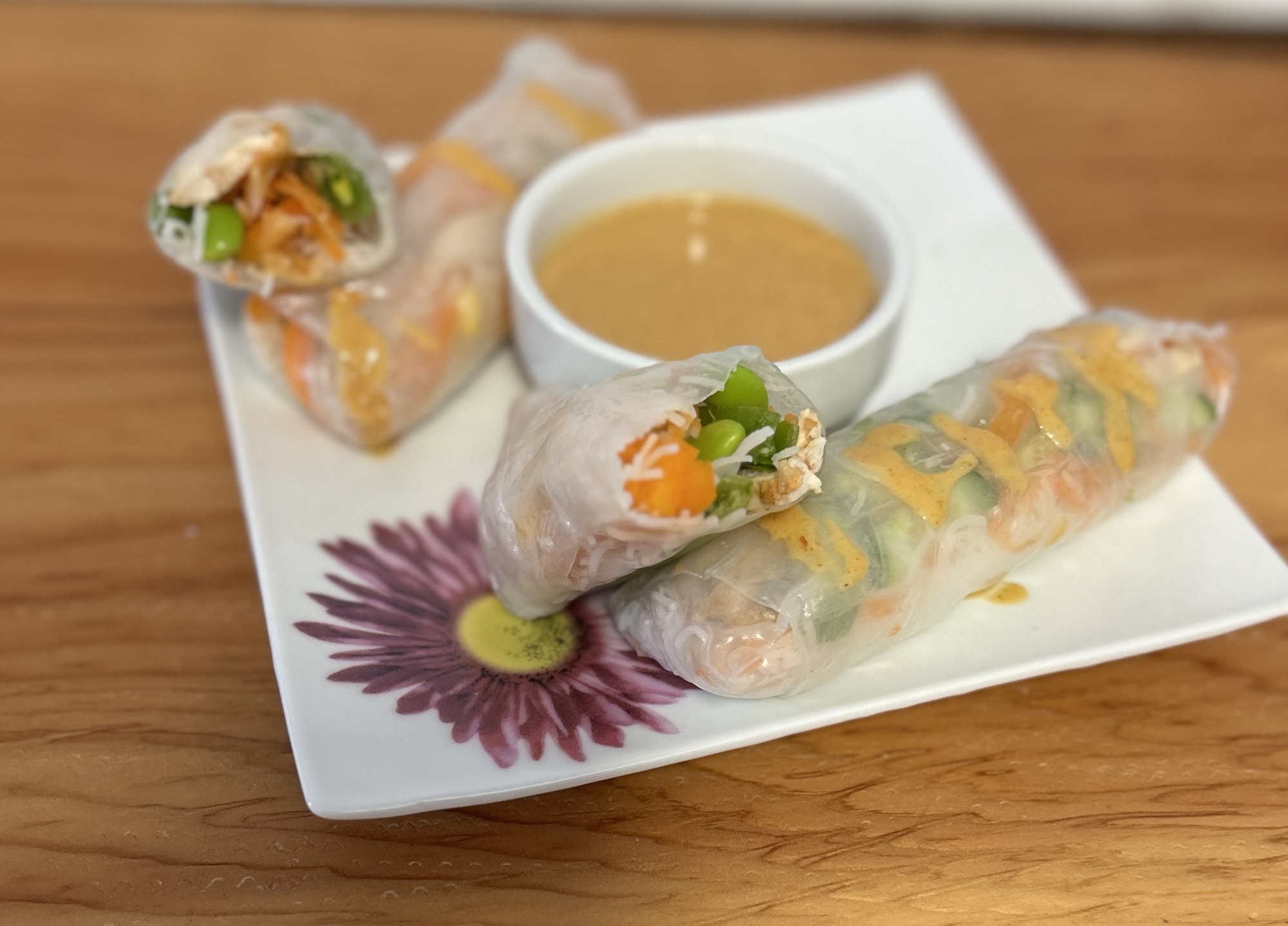
We had Salad Bar (Sloan’s choice) for Sunday dinner, which meant creating these salad rolls from the leftovers was a breeze!  Stella and I often get stuck in on projects for lunch, but this was so quick and easy, utilizing the grilled chicken and prepared vegetables.

What sells this though, is the peanut sauce!  So good, Stella and I decided it better go on the blog right away so we remember the recipe, and how quickly it came together.

SALAD ROLL INGREDIENTS

  • rice paper wraps
  • cooked thin rice noodles
  • cooked chicken, grilled prawns, or whatever protein you fancy
  • slivered vegetables, whatever you like
  • bean sprouts
  • lettuce

Soften wraps in warmish water, don’t allow to get too soft or they will tear as you wrap.  They continue to soften as they sit.

Lay wrap down, and with lightly moistened fingers place your ingredients in the lower half of the wrap, fold edges in to trap filling and then roll as tightly as you can.  The sky is the limit with whatever you like to fill your salad rolls with.  We didn’t have any lettuce but if you do, laying a leaf down, and then placing the filling on the lettuce helps to prevent the wrap tearing and gives the salad rolls a nice crunch.

(you can google wrapping salad rolls – there are lots of those videos available)

The star here …. PEANUT SAUCE

  • 1/2 cup peanut butter (use natural for the most peanut flavour)
  • 1/3 cup soy sauce
  • 2 tbsp toasted sesame oil
  • 2 tbsp rice vinegar
  • 2 tbsp sambal oelek or chili paste
  • 1 tbsp hoisin sauce
  • 2 tbsp sugar (could sub honey if you prefer)
  • 1 knob of fresh ginger, peeled (to taste)
  • 1 garlic clove, peeled
  • Up to 1/4 cup of water, to thin as needed.

Whiz all this up in a blender, using water as you see fit and taste to see if it needs any adjustments.

The chili paste is where the little bit of spicy heat comes from.  We both like a little bit of heat, but not overwhelmingly spicy.  We found 2 tbsp was perfect but go according to your own tastes, and of course the type of chili paste you have.

I got the base of this recipe from Lindsay at Pinch of Yum, and we decided to get it on here so we don’t keep looking for one … thanks Lindsay!

Ready to eat, these salad rolls were so quick, we had them on the table easily.

JAPCHAE

Set aside a bit of time to make this dish – today it took me 2 1/2 hours but it makes a lot, and keeps really well in the fridge for a couple of days. Just call it kitchen yoga and you are guaranteed to feel quite smug.

This Korean noodle dish is truly crave worthy. If anything, tastes even better the next day but don’t let that stop you from making and eating it for dinner the same day! It took a bit of effort to find potato starch noodles but it was worth the effort. They have a springy texture that is unlike any other noodle I’ve had.

  • 12 ounces (340g) of pork loin or steak – cut into very thin slivers
  • 3 garlic cloves, minced
  • 1 tbsp water
  • 1 1/2 tbsp chinese cooking wine (shaoxing)
  • 1 /2 tsp oyster sauce
  • 2 tsp sugar
  • 1/2 tsp baking soda
  • 1 1/2 tsp cornstarch
  • 1/2 tsp freshly ground white pepper
  • 1/2 tsp sesame oil

I’ve also learned a new technique through J.Kenji Lopez-Alt about velveting meat for stir frying, and trust me, it makes a huge difference!

First, give your meat a little bath – scrub it in running water and then squeeze to drain it really well.

Combine the meat with all the other ingredients in a bowl and massage it vigorously – I like my using my hands but feel free to use a spoon if you prefer. Set aside for 30 minutes, or in the fridge for 4 hours or so.

Blanch spinach or kale in boiling water, cool and chop a little.

Stir in:

  • 1 clove minced garlic
  • 1 tsp sesame oil
  • 1/2 tsp salt

10 ounces (280 gr) of sweet. potato starch noodles (Dangmyeon) – cooked acording to package

Sauce for noodles:

  • 1 tbsp sesame oil
  • 1 tbsp soy sauce
  • 2 tsp sugar

Once noodles are cooked, drained and rinsed, cut them into smaller pieces and stir with the sauce. Set aside.

  • 1 onion, thinly sliced
  • 1 red pepper, thinly sliced
  • 1 yellow pepper, thinly sliced
  • 3 garlic cloves, diced
  • 3 scallions, cut in 3 ” pieces
  • 1 pack of baby spinach or kale (as much as you like, really)
  • bean sprouts (as many as you like)

OPTIONAL:

  • raw carrot strands
  • slivered snap peas
  • pea shoots
  • cucumber, thinly sliced

Japchae sauce

  • 2 tsp sugar
  • 1/2 tsp freshly ground pepper
  • 2 1/2 TBSP soy sauce
  • 1 TBSP sesame oil
  • 1 TBSP gojuchang (korean spice paste)

Stir well in a large bowl. Taste and adjust for seasoning. I usually use low sodium soy sauce but using Gluten Free soy sauce, now that Stella is Celiac, we are all learning to cook without any wheat in our products, so initially I found this a bit salty, I adjusted with a little rice vinegar and touch of oil. (Basically, the vinaigrette I had made and in the fridge)

UPDATE – see below for a sauce suitable for all gluten free folks – it was so good!

Time to stir fry the veg!

In a wok or large fry pan heat vegetable oil and stir fry onion and red pepper until soft and set aside. Then stir fry any other vegetable you choose to add.

I like to have a mix of raw and stir fried veg……

Heat wok again and add some vegetable oil – stir fry the meat, and add in the bean sprouts and kale or spinach, fry just until softened. Add back the red pepper, onion, garlic mix as well as the cooked noodles. Toss well to warm everything through and then add to the bowl with the sauce, mixing well

Once you have everything prepared, toss it all with the sauce. My usual tactic is to put all the veg in the bowl and then gradually add the sweet potato noodles, that way I don’t overload the bowl with too many noodles. Just ask Mike, I’m guilty of cooking more noodles than needed – always.

Sprinkle with toasted sesame seeds and chives or green onions for a little color.

Sit back and enjoy! Pour yourself a glass of well deserved wine.

Todays version included sautéed mini bok choy. You could easily call this a clean out the fridge noodle dish, anything goes! This doesn’t have any meat in it at all, I felt like some Korean grilled chicken thighs – a bit of sweet, spicy and char makes it perfect. That is on the grill separately. If you leave it as is, you’ve got a great vegetarian dinner!

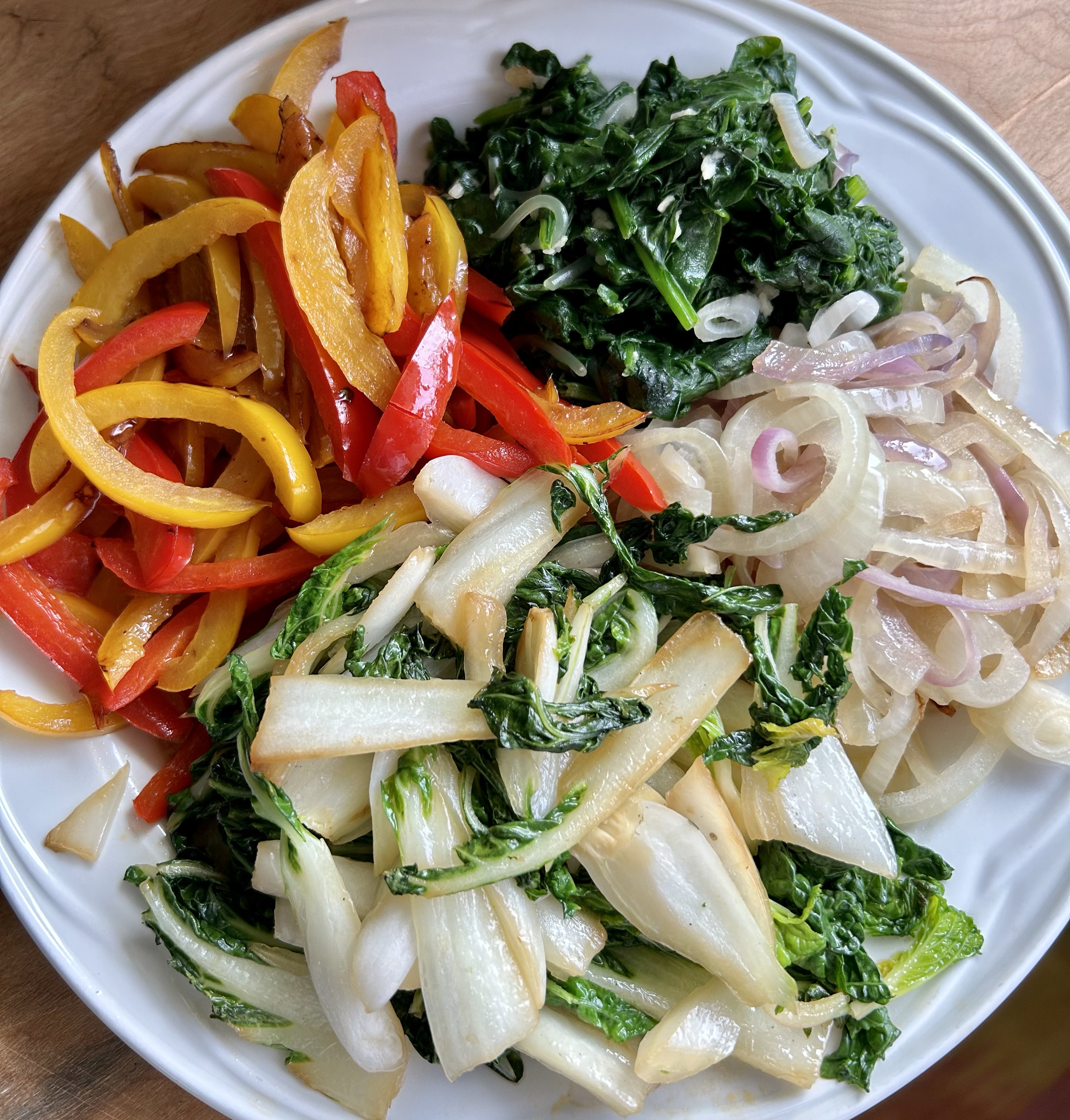
This was all the sautéed vegetables in tonights dish – each in the pan at separate times. I know, I’m fussy that way – go ahead and throw it all in at once if you like, and let me know if it makes any difference …. haha

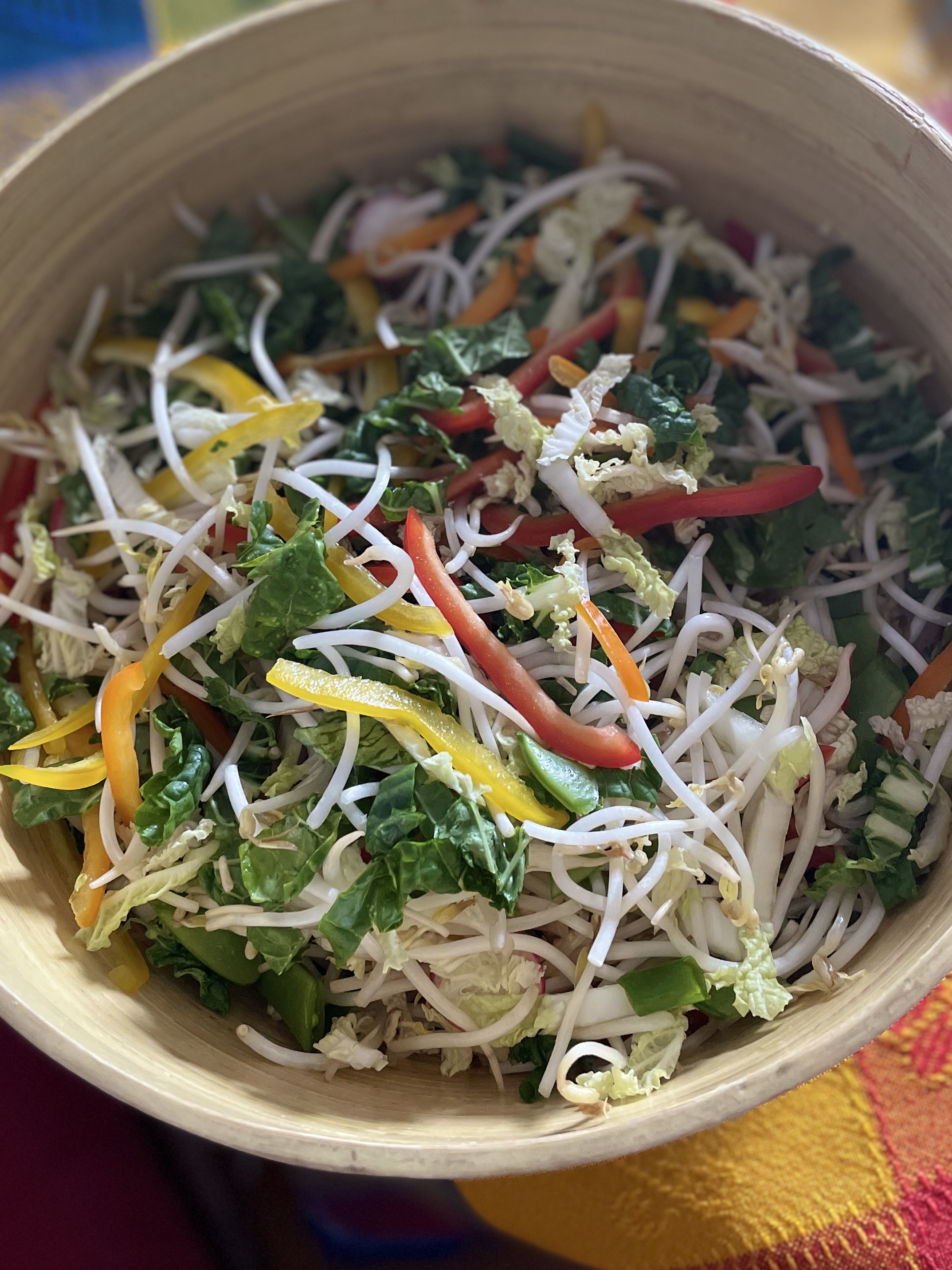
Here are the raw veg – along with the cooked sweet potato noodles. – today was spiral carrots, bean sprouts, pea sprouts and slivered snap peas.

JAPCHAE SAUCE GLUTEN FREE VERSION

3 TBSP GF soy sauce

1 TBSP brown sugar

1/2 TBSP sesame oil

Whisk together until the sugar is dissolved. I added a bit of chili oil for a little kick, but honestly, this was fantastic, and we all loved it.

If you can find gojuchang free of malt barley, then you could just use the original sauce recipe.

Vegetable Pancakes

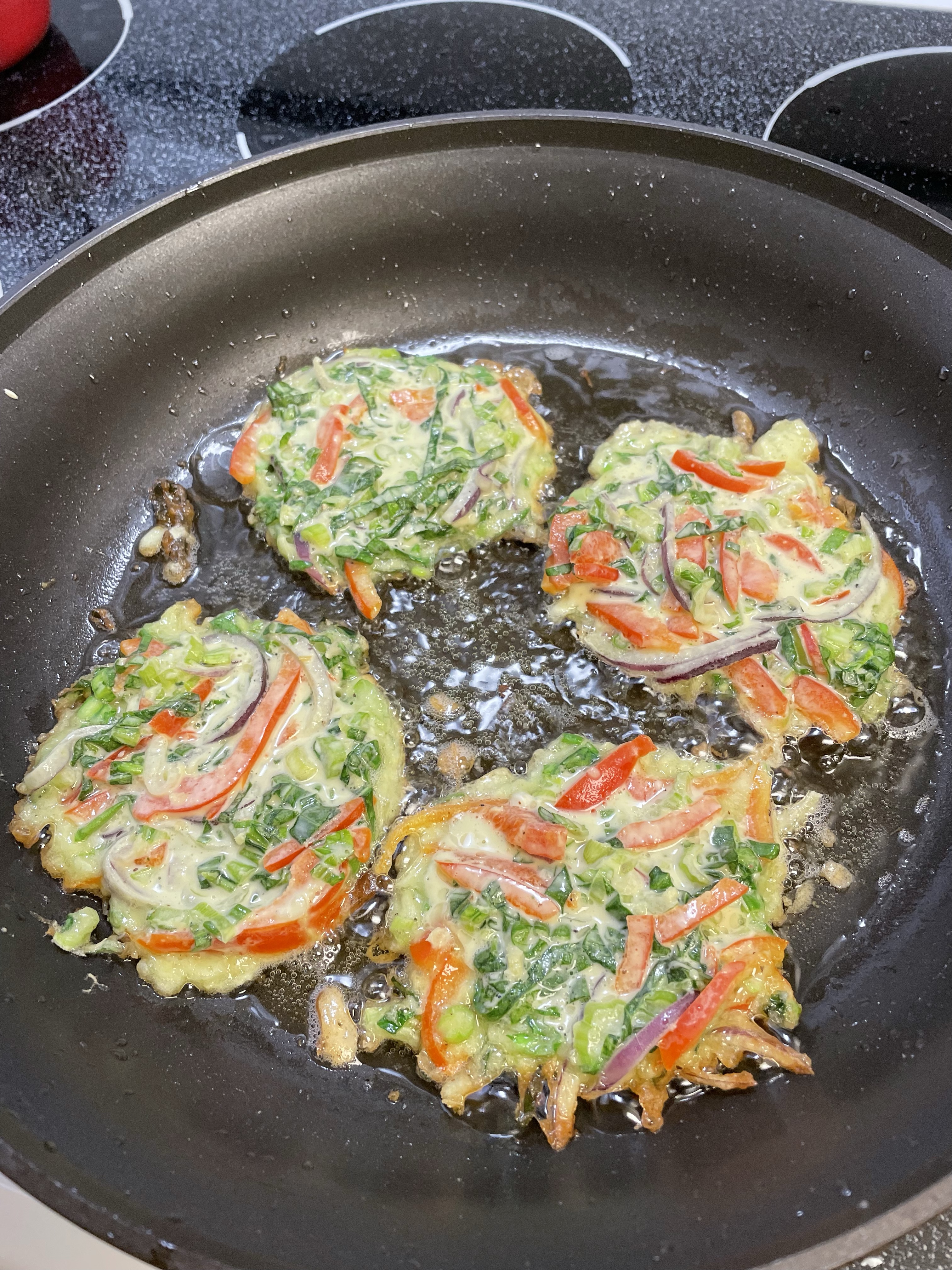
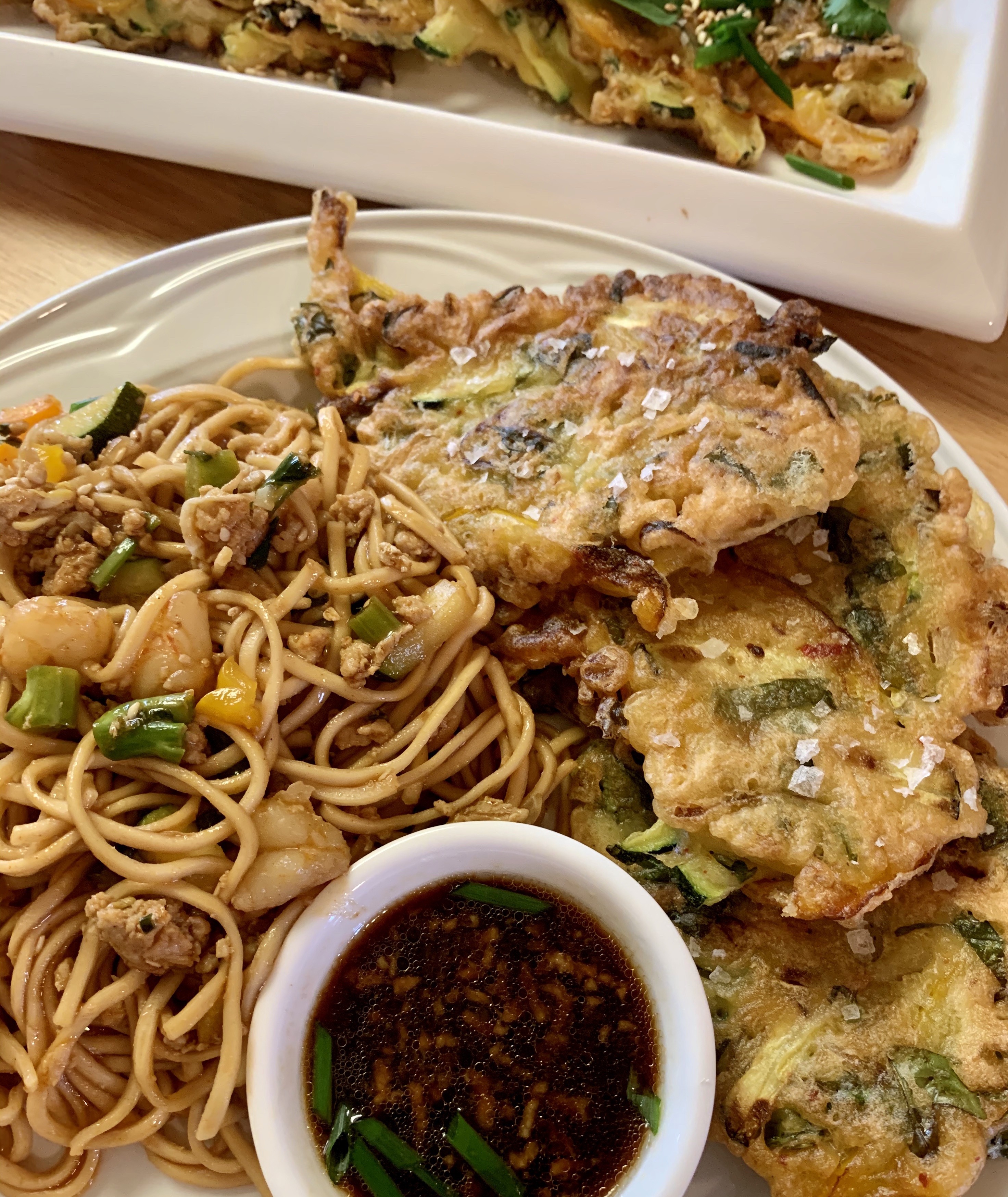
Stella was insistent that I get my recipe for vegetable pancakes on the blog right away so she could make them at home with Hayley!  Such a quick, easy and delicious way to have a meal on the table in minutes, these are great for lunch, dinner or snacking.  I usually make a pile and they warm up quickly in the toaster oven.  They are a bit of a mash up of Korean pajeon, Japanese Okonomiyaki and Chinese scallion pancakes (even a bit like my zucchini fritters!)

I will get a better photo, but Stella didn’t want me to wait, she loved them so much!
  • 1/2 cup all purpose flour (once Stella was diagnosed with celiac, we used Gluten Free Flour)
  • 1/2 cup potato starch or cornstarch
  • 1/2 tsp baking powder
  • 1/2 tsp Chinese 5 spice powder (optional but we liked it)
  • 1 tsp sea salt
  • 1 egg
  • 3/4 cup very cold water
  • 4-6 cups very thinly sliced or julienned vegetables

oil for frying

Whisk dry ingredients together, then stir in egg and water. Add in all your vegetables and stir just to combine. You only need enough batter to hold the vegetables together.

Preheat oven to 300 to keep the pancakes warm as you cook them.

Heat oil in frying pan, and drop in 1/4 cup amounts, flattening them out slightly. Cook for 3-5 minutes on each side until golden brown and crispy. You will have to do this in batches, so keep them warm in a 300 oven until you have them all fried. Don’t crowd the pan or they will steam rather than fry.

I first tried this recipe as Korean pancakes, adding some chopped kimchi as well as a bit of the juice, but ended up using it for many different vegetables.

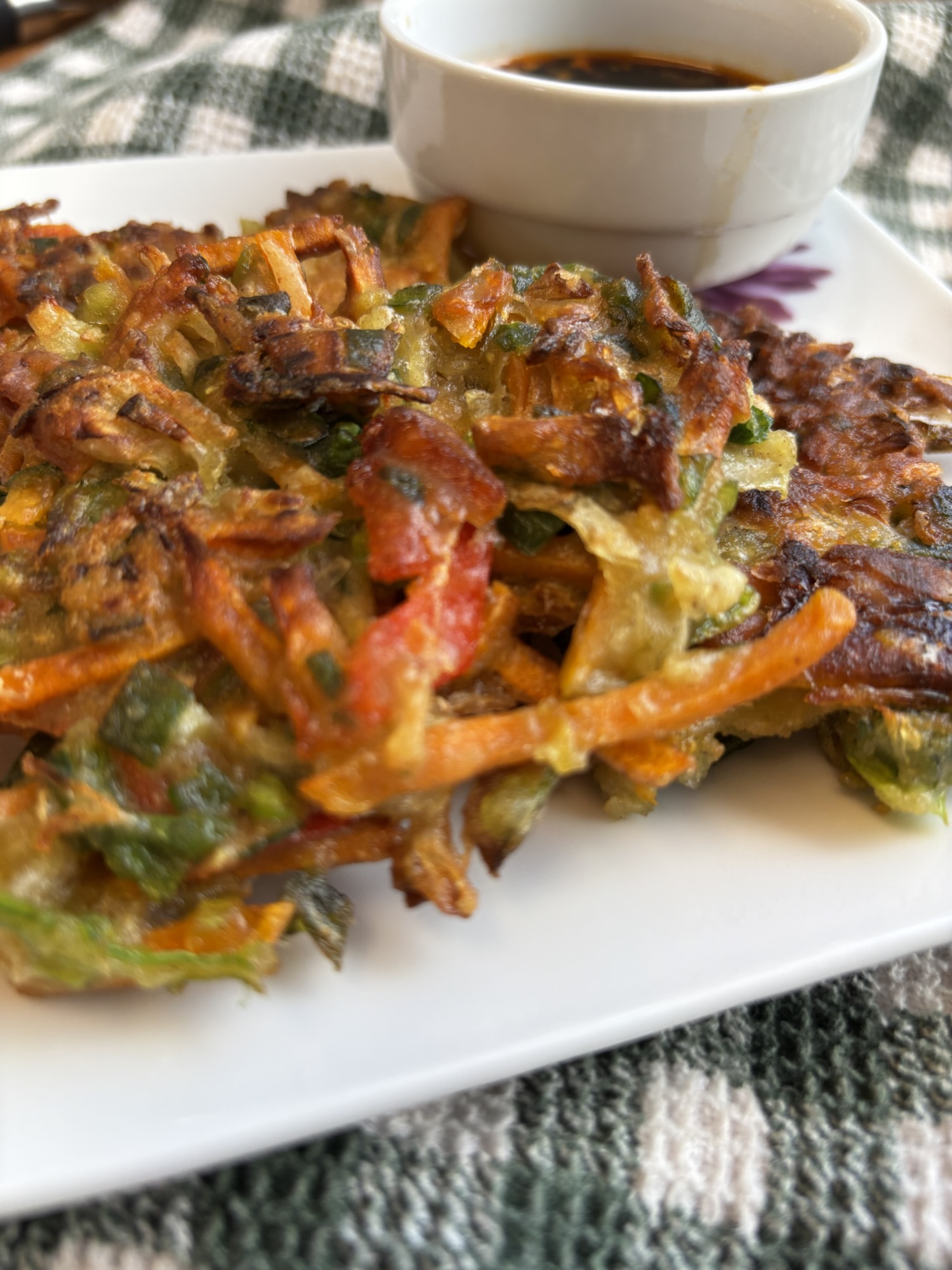
Serve with dipping sauce:

  • 1/4 cup soya sauce
  • 1-2 tbsp rice vinegar
  • 1/2 tsp sesame oil (I like toasted)
  • 1/2 tsp sugar
  • 1/2 tsp hot sauce or chili crisp (such as sriracha)

Stir together and set aside for service. Taste and adjust for your personal preference.

Use whatever vegetables you have in your fridge! It really is a fridge clean out in the best possible way.
Make sure you don’t crowd the pan – it takes very little oil.
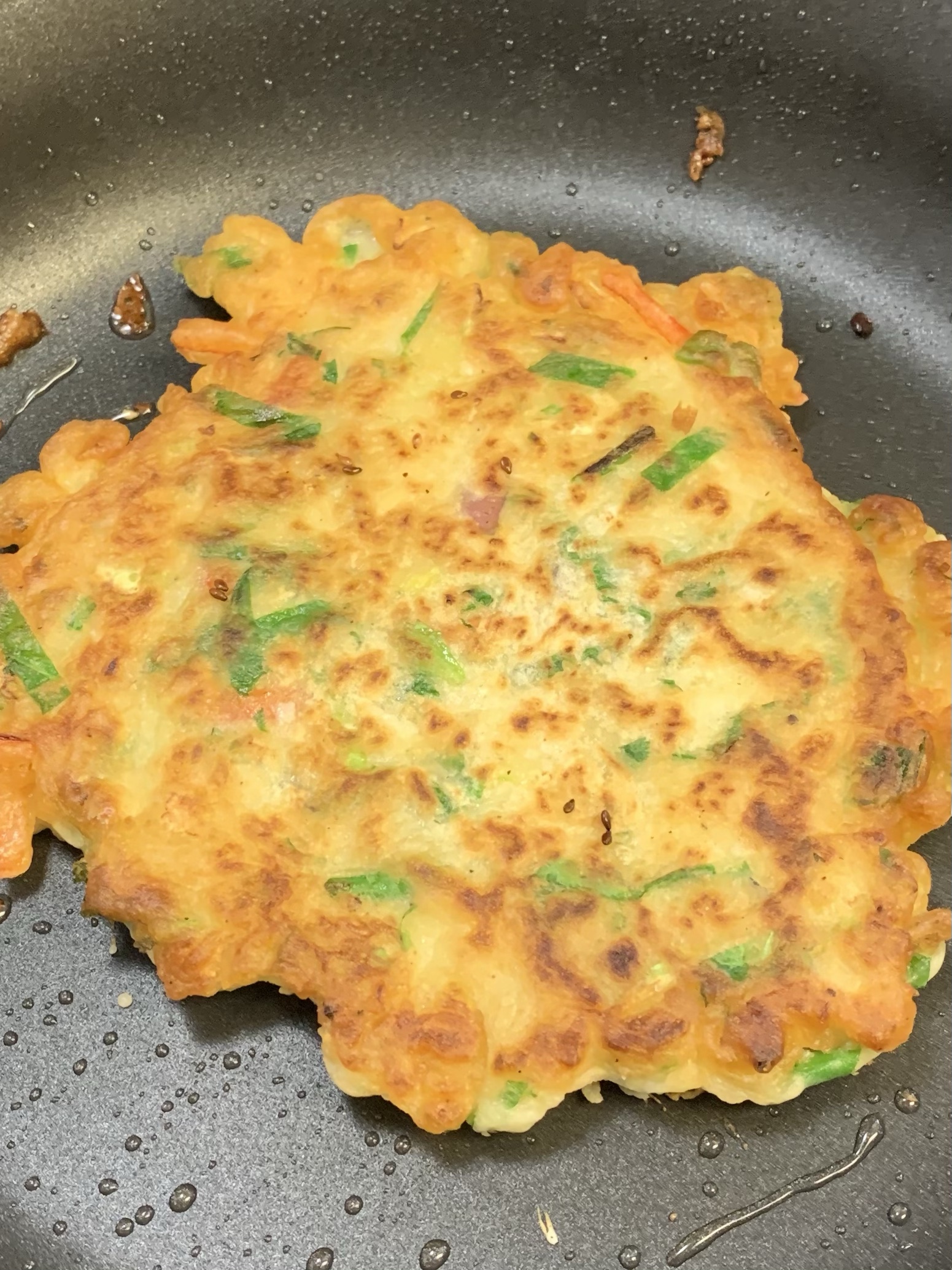
Flip when nice and crispy, and a golden brown.
These ones had fresh shrimp and lots of chives.
Another day, another batch

Quick Focaccia

img_8247

There is something about making breads that just feels like a win.  Focaccia always does that!  The very best focaccia recipes allow for the dough to rest anywhere from hours to days.  If you are like me, some days you are driving home from work thinking focaccia would really boost dinner TODAY.  Not 3 days from now.  This recipe is for those days.   If you’ve got a little over an hour, you’ve got enough time to pull this off – and trust me, it’s easy.  No intensive kneading or stand mixer necessary!

  • 2 Tbso olive oil
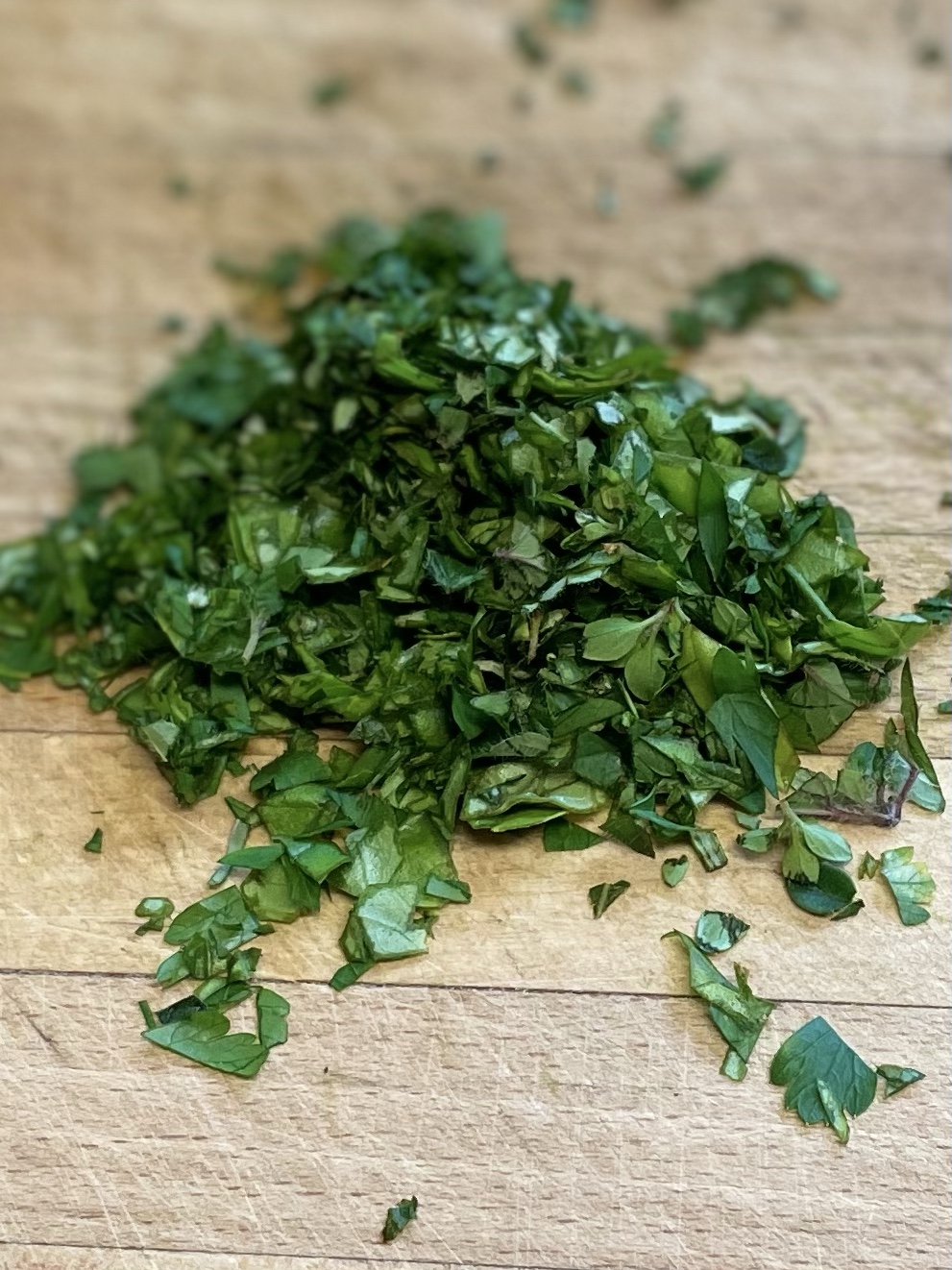
  • 2 Tbsp fresh herbs – I used basil, parsley, rosemary, oregano and thyme. minced

Mix well and if it looks a little herb heavy, add a bit more olive oil. Set aside.

  • 3/4 cup warm water (the perfect temperature for blooming yeast is between 105-115)
  • 2 1/4 tsp dry active yeast (1 pack)
  • 1/2 tsp sugar
  • 2 cups all purpose flour
  • 1 tsp salt
  • 1 Tbsp olive oil

Top with flaky sea salt and more fresh rosemary.

INSTRUCTIONS

  • Proof yeast and sugar in 3/4 cup warm water – 105-115 degrees F until foamy and active.
  • In a bowl, combine flour, salt.
  • Add in yeast mixture & olive oil, and mix to get it all together.  You may need to add a couple tablespoons more warm water.  You want this to be slightly sticky.
  • Cover and allow dough to rise for around 30 minutes.  The time isn’t as important as that you need to let the dough to pretty much double in size.
  • Add 1 -2 tbsp  olive oil into small baking vessel – either  9 x 7 inch sheet pan, or this also works well in an 8 x 8 square baking pan. You want a fair bit of oil here, rub it all around the sides of the pan as well.
  • Add dough and stretch to fit pan, if dough springs back, let it sit, covered, for 5 minutes and try again.  The rest helps the gluten to relax.
  • Once dough has been stretched enough to fit the baking sheet, allow to rest (covered) for 30 minutes.  Honestly, do whatever time you have – I find this to be fairly forgiving.
  • Dampen your fingers and dimple the dough like you are playing a piano.
  • Drizzle herbed olive oil over dimpled dough and allow it to fill in the dimples, I like to be generous with the herb oil mixture.
  • Sprinkle on some flaky sea salt and more fresh rosemary that isn’t all minced up.
  • Bake for 15 – 20 minutes or until golden brown.
  • Once out of the oven, allow to rest on a cooling rack to keep the bottom crusty as well.

So many ways you can serve this;

  • Use it as an appetizer with a charcuterie board
  • Fresh out of the oven with simple oil and vinegar
  • Try it with your best olive oil and my dukka recipe, (If you’ve never tried dukka you are in for a treat!)
  • Completes a soup or salad meal
It’s October and this is what my herb garden still looks like!
Ready to go, and this herby oil smells so fresh – today I added in some roasted garlic.
Ready for the oven – love the way those little dimples fill up, I think those pockets of oil help crisp up the top.
You just know how good your house smells – it’s ready to dunk in your soup.

The BEST Miso Soup

I gotta say ….. hard to make a bowl of miso soup look exciting … but here it is, the best ever! I didn’t have any seaweed at home so added a few spinach leaves. Delicious!
  • 2 teaspoons dashi granules 
  • 4 cups water 
  • 3 tablespoons miso paste 
  • 1 (8 ounce) package silken tofu, diced 
  • 2 green onions, sliced diagonally into 1/2 inch piece

In a medium saucepan over medium-high heat, combine dashi granules and water; bring to a boil. Reduce heat to medium, and whisk in the miso paste. Stir in tofu. Separate the layers of the green onions, and add them to the soup. Simmer gently for 2 to 3 minutes before serving.

I think the key to this is the dashi. You can easily make your own dashi at home – just look up a few YouTube videos, but for the amount I use, keep some granules in the freezer and it is ready whenever I need it.

We followed the miso sop with these tasty Japanese dishes ….. chicken karaage with 2 dipping sauces, pork and cabbage gyoza and garlic soy snap peas. Goes without saying that a Japanese inspired dinner needs a serving of rice!

I often serve Miso soup to accompany a few other dishes, and this makes it very easy to prep a bit earlier and just leave it simmering – don’t add the tofu or green onions until closer to serving time.

Sourdough Pita

img_3526

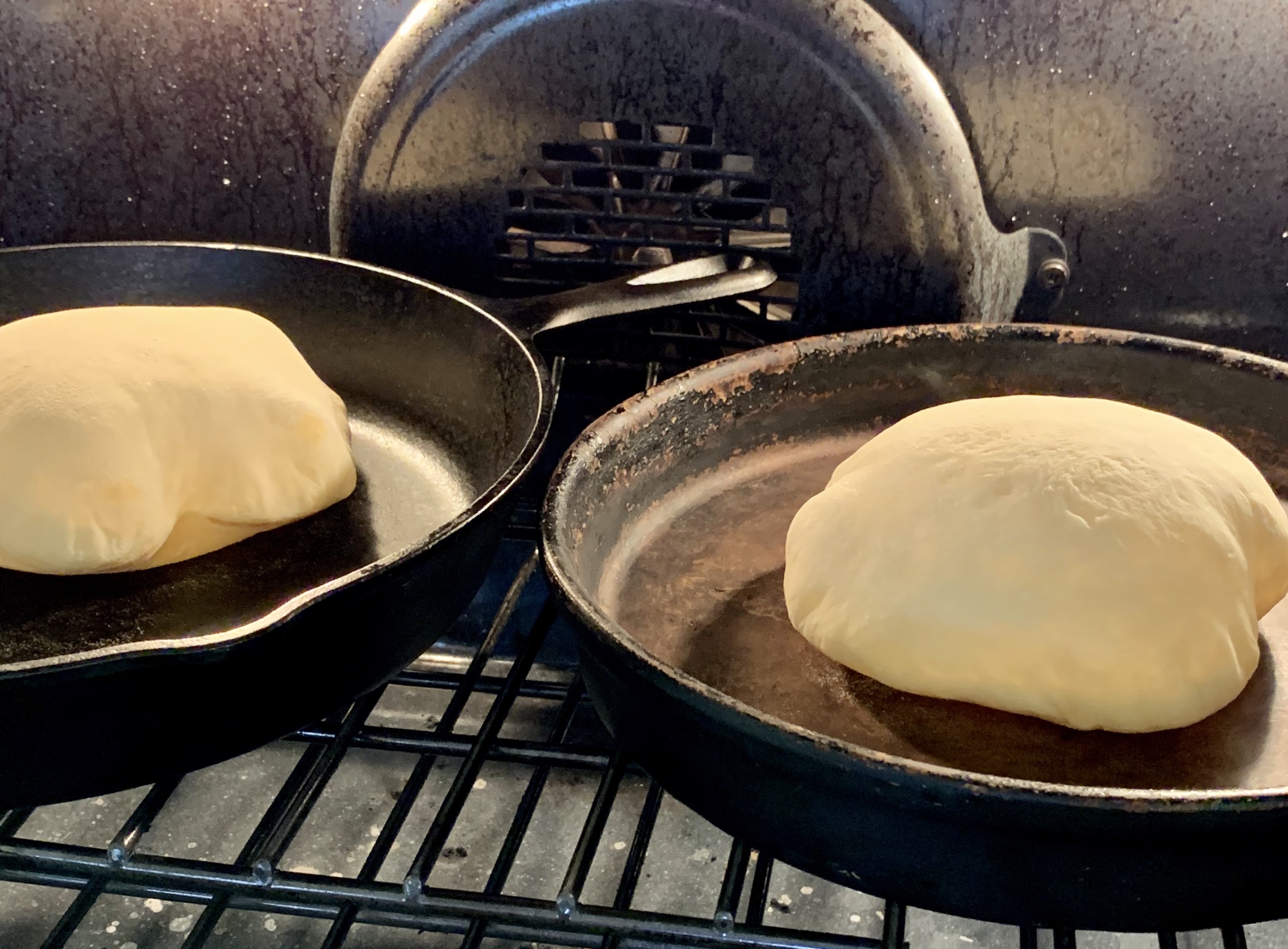
Just look at those puffs!  I’m obviously a foodie weirdo given how exciting it is.

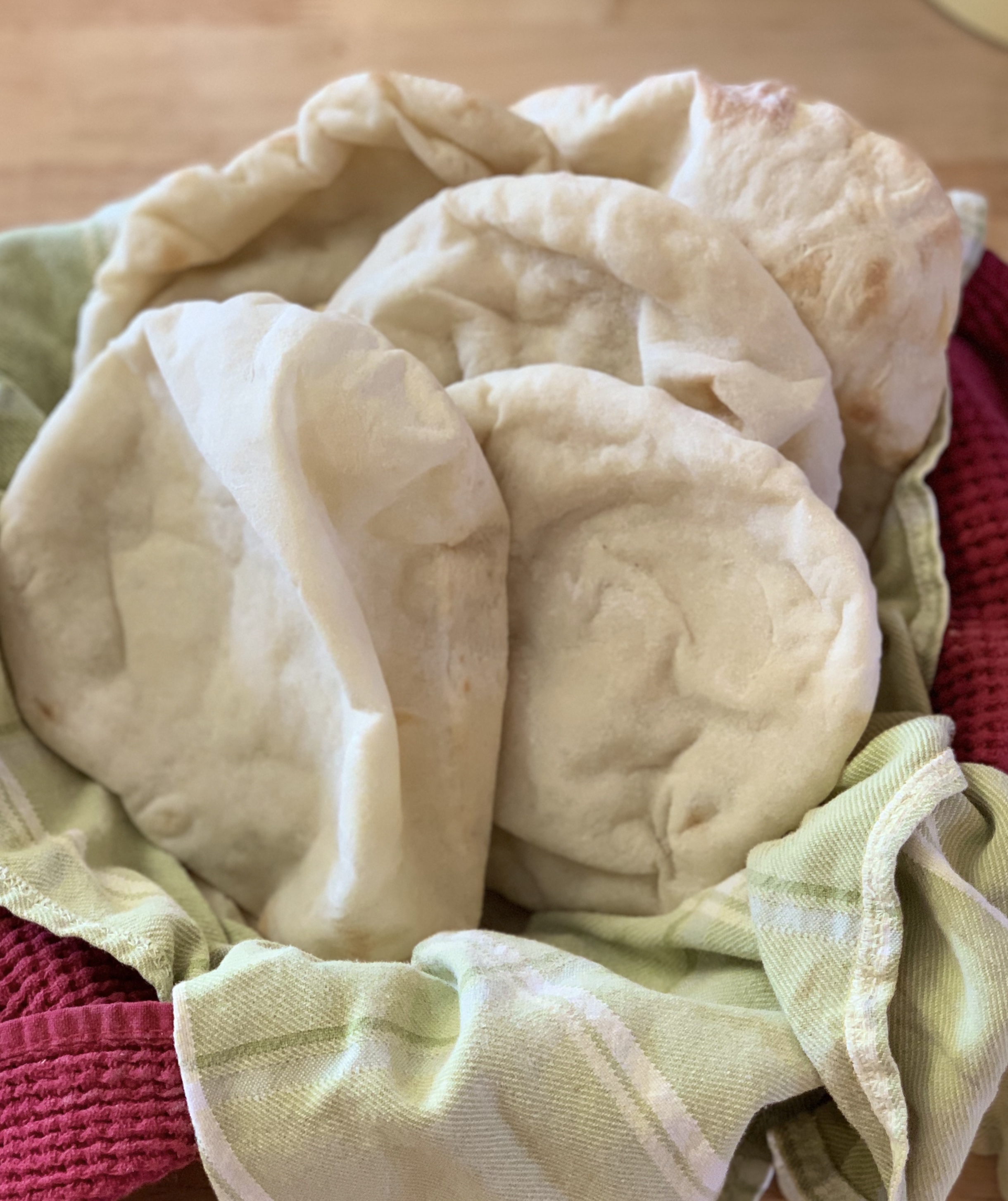
What??  Still with the sourdough posts?  I am still learning how versatile my sourdough can be, and these sourdough pitas were absolutely the best.  For the first time, with all my attempts at pita that puffed up beautifully – this recipe gave me a fantastic result. 8 pita, with 7 of them puffing up like a balloon and the 8th puffing up partially.


  • 1 cup (8 oz, 224g) active sourdough starter (100% hydration)
  • 1 cup (8 oz, 240 ml) warm water
  • 2 3/4 cups (13.75 oz, 385g) bread flour
  • 2 tablespoons (1 oz, 25g) olive oil
  • 1 tablespoon (1/2 oz, 14g) granulated sugar
  • 1 ½ teaspoons salt
  1. In the bowl of a stand mixer fitted with a paddle, or in a large mixing bowl, combine the starter, water, and 1 ½ cups of the flour. Mix until it forms a thick batter. Cover the bowl and set aside for 30-60 minutes.
  2. If using a stand mixer, switch to the dough hook. Add the olive oil, sugar and salt then mix to combine. With the mixer running on low, add the remaining flour. Mix until the dough begins to clean the bottom of the bowl and form a ball around the hook. If mixing by hand add flour until you can no longer stir, then turn the dough out onto a floured surface to finish by hand. Knead 5 minutes. Form the dough into a smooth ball.
  3. Put the dough into a lightly oiled bowl, turning once to coat the dough. Cover the bowl and set it aside at room temperature.
  4. After 30 minutes uncover the bowl, lift one side of the dough and fold it into the middle of the dough. Repeat with the other three sides of the dough then flip the dough over. You’re basically turning the dough inside-out to redistribute the yeast.
  5. Cover the bowl and after 30 minutes repeat the procedure. Cover the bowl and after 60 minutes repeat the procedure again. Cover the bowl and after 60 minutes the dough should be ready.  By now the dough should be lively, elastic and airy. If the dough is still sluggish give it another hour or two at room temperature.
  6. Cover the bowl tightly and refrigerate overnight (see note). Remove the bowl from the refrigerator in the morning and allow the dough to come to room temperature.
  7. Preheat the oven to 450°F. If you have a baking stone place it in the oven. If you don’t have a baking stone, place a baking sheet in the middle rack of the oven to preheat. If you have a dark colored baking sheet use that. A dark pan will absorb heat better than a light-colored pan, so the bread will bake faster and puff better.
  8. Divide the dough into 8 equal pieces and roll each piece into a ball. Use a rolling pin to roll two pitas to ¼” thick and 7”-8” around. If the dough springs back too much let it rest for 5 minutes and continue rolling.
  9. Immediately place the rounds on the preheated baking stone or baking sheet in the oven. Bake until they are puffed and the bottom is nicely browned, about 3-5 minutes. You don’t need to flip the bread. Remove the baked breads and wrap in a clean kitchen towel while you continue rolling and baking the pitas.
  10. The pitas are best the day they are made, but they also freeze very well.

img_3520

I did prep the night before, and this little ball of soft goodness sat on the counter for a couple of hours before retiring to the fridge for the night.

img_3521

Look at those delicate little air bubbles …… just what I was I was looking for.

img_3522

I think the secret to getting a puff is to not overwork the dough.  This amount of dough makes 8 pitas, roll each out to about 7″ and you will get the right thickness.

img_3523

I could have danced around the kitchen when I saw this puff!

img_3524

Steaming in the towel is part of the whole process.  The pita will collapse and stay ever so soft.

img_3525


This sourdough pita recipe came from baking-sense.com and if you want more information on how to create the perfect pita, just hop on over to that site.  I love how detailed their explanations are, complete with photos from every step.

Korean Kimchi Fritters

img_3506

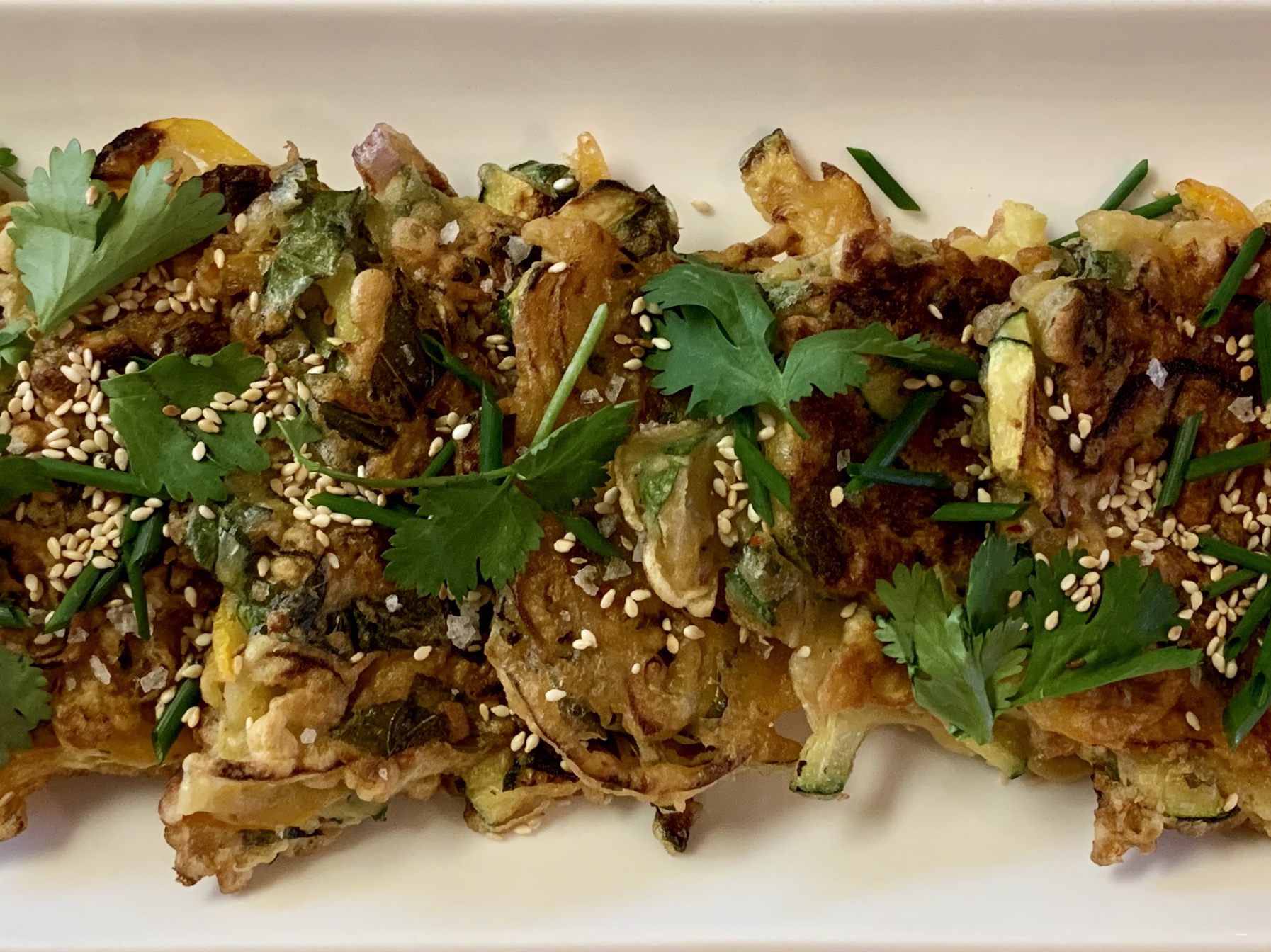
I am really not certain about how authentically Korean these fritters (Pajeon – pancakes??) are, but anything with kimchi & bound together with some potato starch is a step in the right direction.

We loved the way this entire bunch of vegetables was quickly tied together in a very light batter that puffed up and was still so delicate.  Don’t miss out on the dipping sauce – its the perfect accompaniment.

PANCAKES/FRITTERS

  • ½ cup all-purpose flour
  • ½ cup potato starch (or 1/4 cup each white rice flour and cornstarch)
  • ¾ teaspoon fine sea salt, plus more as needed
  • ½ teaspoon baking powder
  • ¾ cup ice water
  • 1 large egg
  • ¼ cup finely chopped kimchi
  • 4 cups finely chopped or grated mixed vegetables (carrots, zucchini, bell peppers, kale, whatever you’ve got)
  • 4 scallions, cut into 2-inch-long sections and thinly sliced lengthwise
  • 2 tablespoons grapeseed or peanut oil, plus more as needed

DIPPING SAUCE

(highly recommend doubling it if you like dipping as much as we do)

  • 3 tablespoons soy sauce
  • 2 teaspoons rice wine vinegar, plus more to taste
  • 1 teaspoon finely grated fresh ginger or garlic (optional)
  • ½ teaspoon sesame oil, plus more to taste
  • Pinch of granulated sugar

PREPARATION

  1. Prepare the pancakes: In a large bowl, whisk together all-purpose flour, potato starch, salt and baking powder.
  2. In a medium bowl, combine water, egg and kimchi. Whisk kimchi mixture into flour mixture, and whisk until smooth. Fold in vegetables and about three-quarters of the scallions. (Save the rest for garnish.)
  3. In a large nonstick skillet over medium heat, heat 2 tablespoons oil. Scoop 1/4 cup portions of batter into the skillet, as many as will fit while not touching, flatten, and fry until dark golden on the bottom, about 2 to 3 minutes. Flip and continue to fry until other side is browned, 2 to 3 minutes. Transfer to a paper towel-lined plate and sprinkle with a little more salt. Continue with remaining batter.
  4. Before serving, make the dipping sauce: In a small bowl, stir together soy sauce, vinegar, ginger or garlic (if using), sesame oil and sugar. Sprinkle sliced scallion over pancakes, and serve with dipping sauce on the side.

img_3497

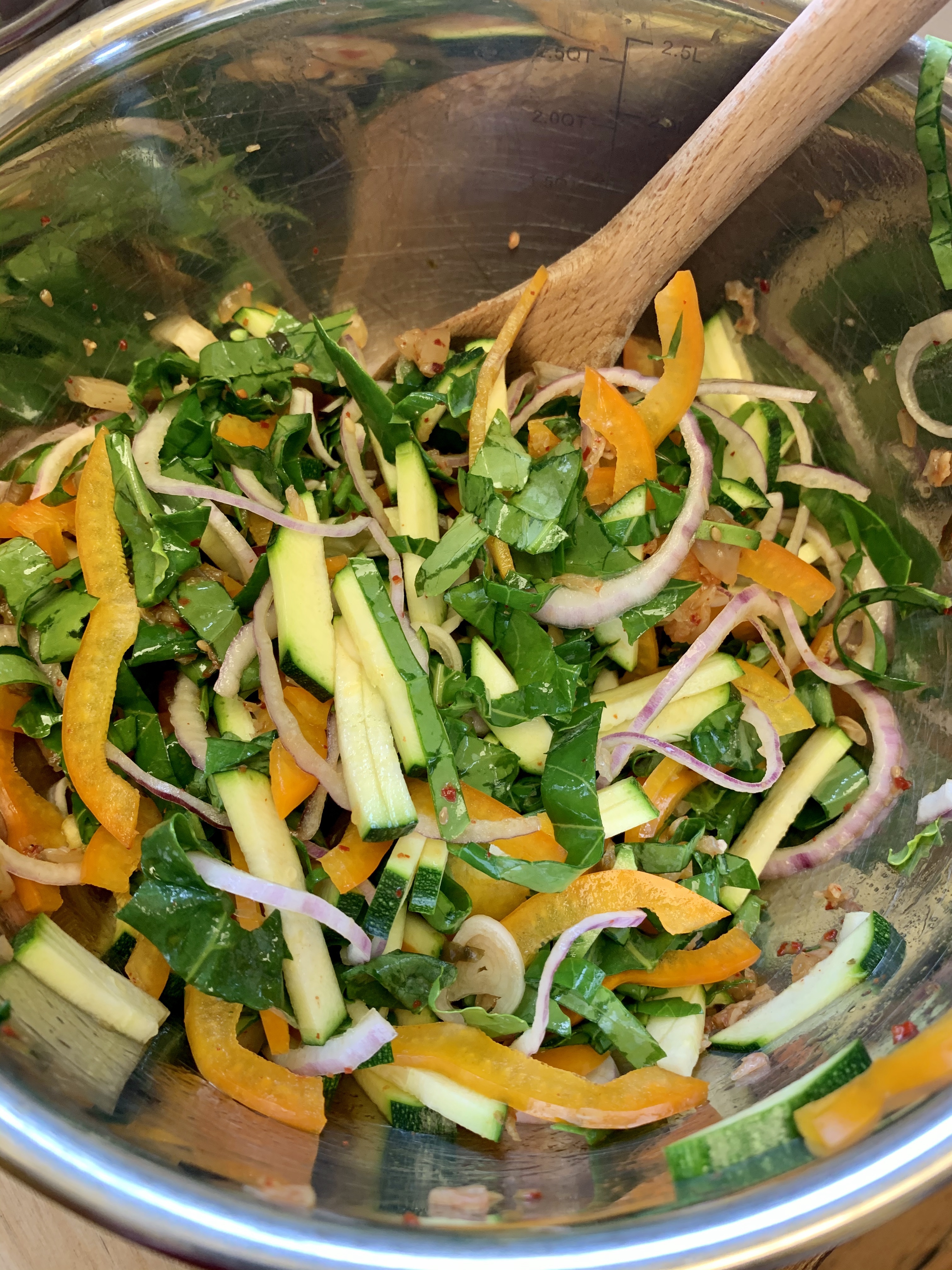
When you start with a big bowl full of these colourful vegetables you just know it is going to be delicious!  Today I used zucchini, orange bell peppers, red onion and the leafy parts of Gai lan.

img_3501

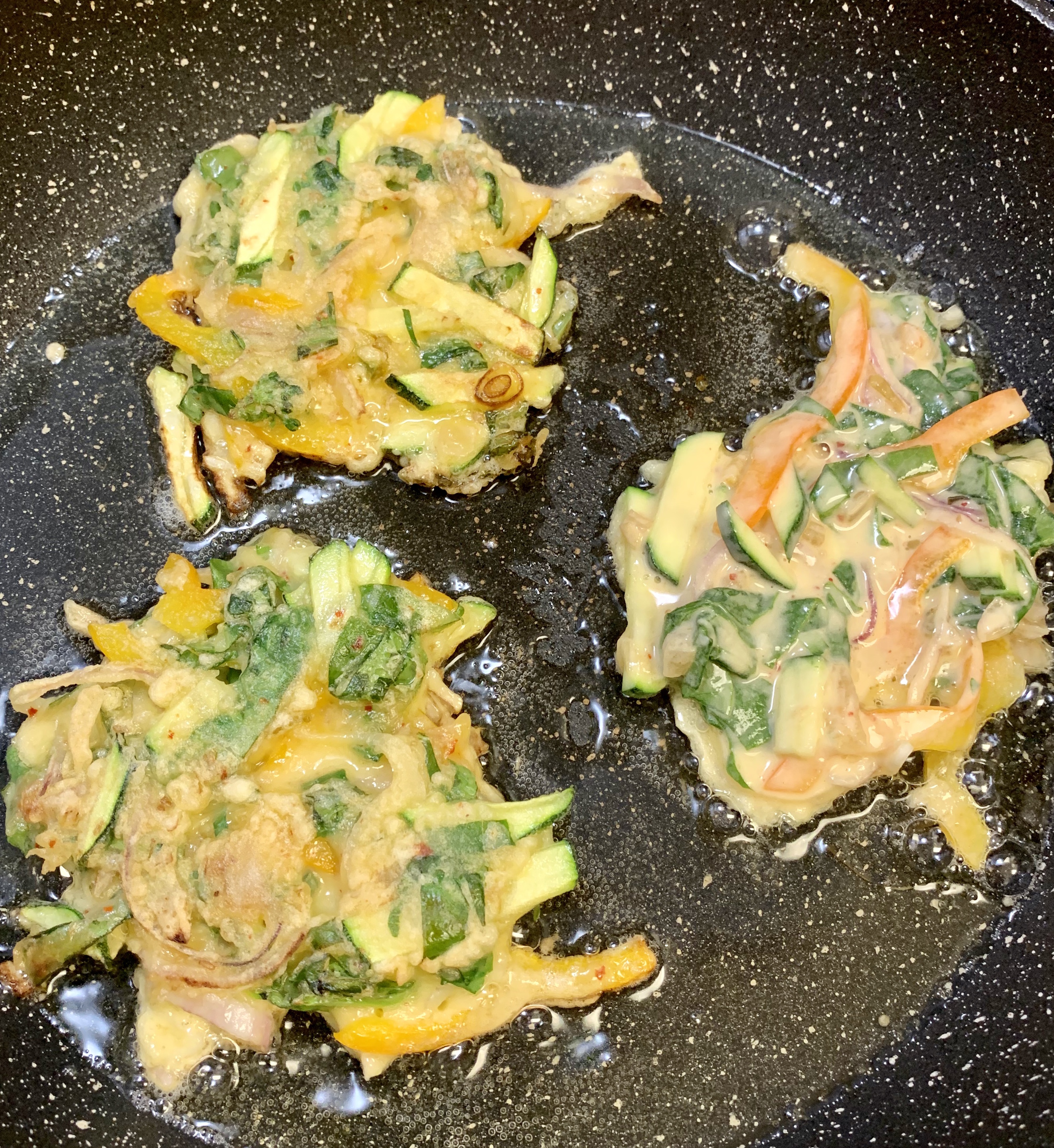
don’t overcrowd your pan – these fritters need some room to crisp up and not steam

img_3505

These were so good I can’t wait to make them again!

img_3507

I served the fritters with Korean Gojuchang noodles, and while it was all finger licking delicious, the colours and textures just cried for something green and crunchy – maybe lightly stir fried broccoli?  Strange given that this whole meal is so vegetable forward, but I really wanted something light and crunchy to go with it all. Next time.

I found this recipe on NYT cooking, and couldn’t wait to try it.  The fritters are as versatile as the vegetables found in your garden or fridge.  I love the way red onions cook up, so used those in place of scallions in today’s effort.


Perfect & Quick Yeast Loaf

Sloan and Stella requested garlic bread to go with spaghetti and meatballs, and I can’t blame them.  With no intentions of running to town, I looked up a recipe for a quick, easy yeast bread that didn’t require over night resting and this one was just perfect.

img_3441

This one recipe makes two loaves, enjoy one for dinner tonight and treat someone to the other!

Ingredients

  • 1 tablespoon active dry yeast
  • 1 tablespoon sugar
  • 1 tablespoon salt
  • 2 cups warm water not over 110°F
  • 5 1/2 to 6 cups All-Purpose Flour
  • cornmeal or flour for dusting
  • boiling water

Instructions

  • In a large bowl mix together the yeast, sugar, salt and water. Let this stand until the yeast is dissolved. Gradually add the flour, one cup at a time to the liquid and mix thoroughly until the dough pulls away from the sides of the bowl. Turn the dough out onto a floured surface to knead. (This may be a little messy, but don’t give up!)
  • Knead It: Fold the far edge of the dough back over on itself towards you. Press into the dough with the heels of your hands and push away. After each push, rotate the dough 90°. Repeat this process in a rhythmic, rocking motion for 5 minutes, sprinkling only enough flour on your kneading surface to prevent sticking. Let the dough rest while you scrape out and grease the mixing bowl with a few drops of olive oil (preferred) or non stick baking spray. Knead the dough again for 2 to 3 minutes.
  • Let It Rise: Return the dough to the bowl and turn it over once to grease the top. Cover with a damp towel and keep warm until the dough doubles in bulk, about 1 to 2 hours.
  • Shape it: Punch down the dough with your fist and briefly knead out any air bubbles. Cut the dough in half and shape into two Italian- or French-style loaves. Place the loaves on a cookie sheet generously sprinkled with cornmeal. Let the loaves rest for 5 minutes.

Bake it:

  • Lightly slash the tops of the loaves 3 or more times diagonally and lightly brush or spray them with cold water.
  • Place an aluminum roasting pan on the bottom of the oven. Fill 1″ deep with boiling water. Slide loaves onto baking stone* in a cold oven. Bake at 400°F for 35 to 45 minutes, until the loaves are golden brown and sounds hollow when tapped.

Alternate method:

  • For a lighter, crustier bread, let your shaped loaves rise for 45 minutes. Preheat the oven and roasting pan with water to 500°F for 15 minutes. Brush the loaves with cold water, place in the oven and bake for 10 minutes. Lower the temperature to 400°F and bake for 10 more minutes. Remove from the oven and place on a cooling rack.  Let cool for at least 30 minutes before slicing.
  • * If you don’t have a baking stone, you are welcome to try using a flat cookie sheet. Please note your bread will not have as nice of a crisp crust.

61308930847__59fe78c7-49d7-4825-8d56-7816064dd64a

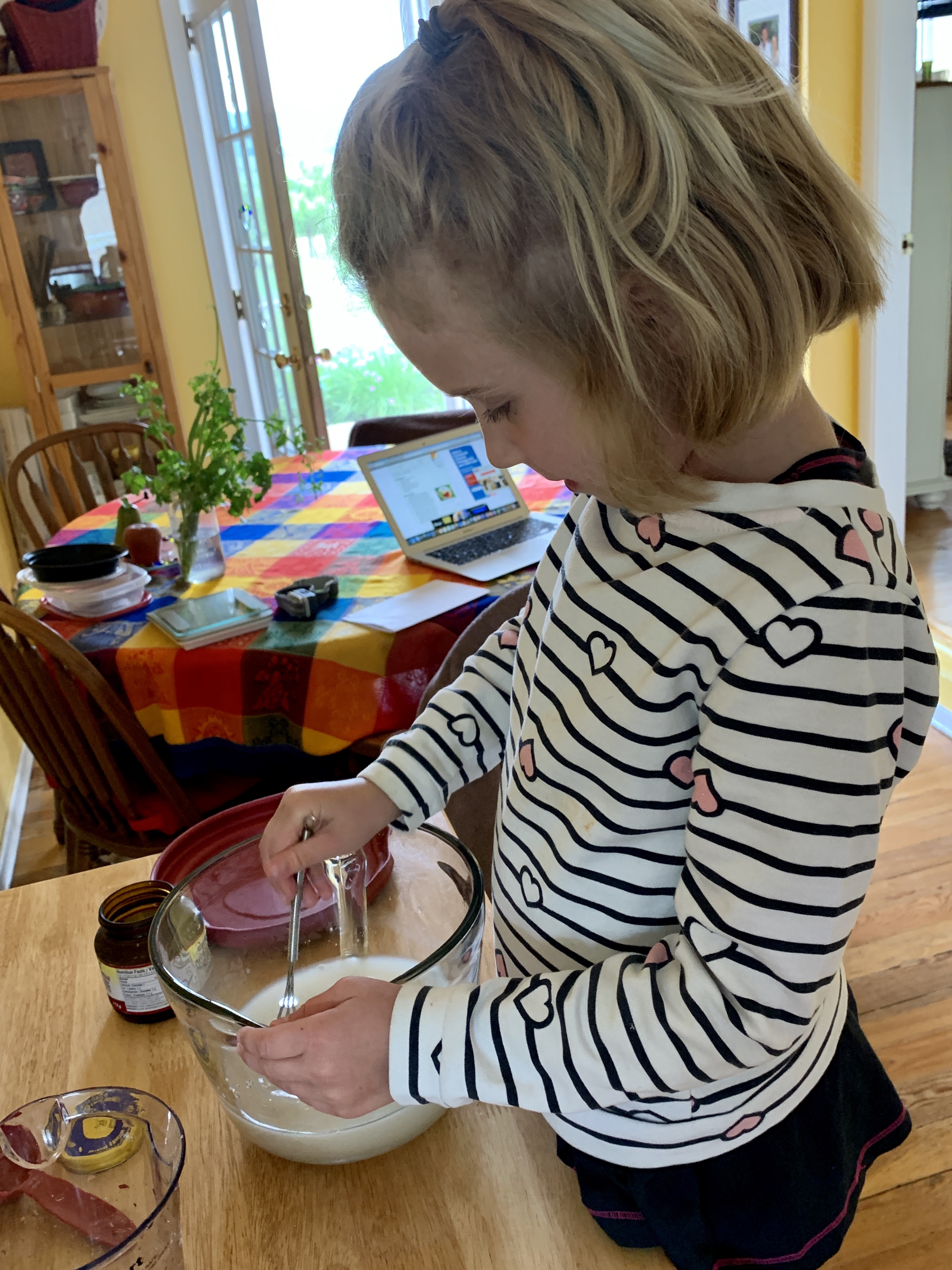
Any project is better when you’ve got Stella helping!

img_3459

A nice crumb, and not too crusty, this bread is ideal for when you haven’t planned it out early in the day or with sourdough, the day before!

Sloan

Toasted up, Sloan thought it was delicious dipped in her soft boiled eggs the next morning.


I found this on a site called gatherforbread.com and it fit the bill perfectly for deciding I wanted a French style bread the same day I needed it!  No overnight resting and so quick and easy to make, the results made it seem like I had worked a lot harder!  While not a true French or Italian loaf, it is similar and we thought it was just as good for toasting the next day.